Why Family Memory Matters
For most of us, grief starts personal and intimate. But with time, it stretches outward, touching generations. The story of one person becomes part of a larger web, the grandmother whose recipes shaped Sunday lunches, the uncle whose laughter filled every holiday, the child who taught everyone what joy truly meant. Preserving those stories keeps our emotional lineage alive.
When I began exploring how to connect my family’s memories digitally, I realized what we were really doing wasn’t data collection, it was remembrance. This exploration was ultimately about creating a lasting tribute to those we cherish. It was about ensuring that the essence of each person could ripple forward, becoming part of the collective heartbeat of our family.
As we connect stories across generations within our family tree of memory, it's also important to acknowledge that for some, closure comes through acts like writing goodbye letters, a powerful tool in elderly grief support.
Understanding memorials online can help during the grieving process.
While creating a family tree of memory helps connect stories, sometimes individuals also grapple with difficult emotions, and tools for healing from guilt can be an important part of the journey.
From Ancestry to Legacy
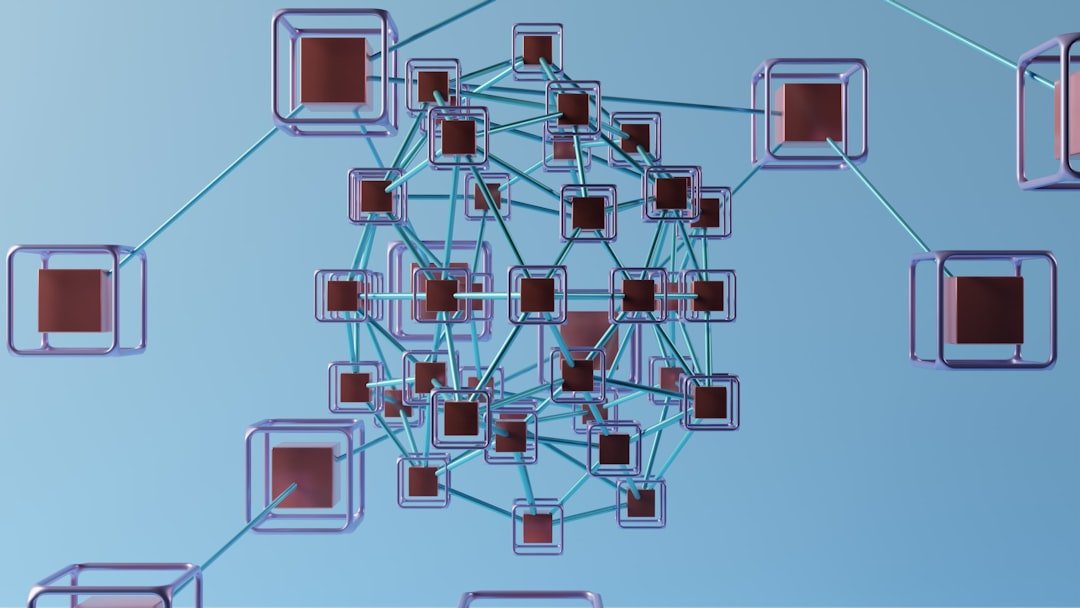
Traditional genealogy charts focus on dates, names, and branches, but not the human warmth behind them. The digital age gives us a new kind of family tree: one that captures not only who we came from, but how they lived, what they loved, and what they taught us. This is what I call a Family Tree of Memory. The digital age gives us a new kind of family tree: one that captures not only who we came from, but how they lived, what they loved, and what they taught us. This is what I call a Family Tree of Memory, focusing on the power of documenting family anecdotes.
Exploring how to create a meaningful tribute is vital, especially when considering options for tribute websites for family that can be started even amidst raw grief.
By weaving together personal anecdotes and shared experiences, families can embark on the profound journey of creating a family narrative that honors their loved one's unique story.
This is critical for ensuring family history preservation, moving beyond simple facts to rich, living narratives, and provides valuable guidance on how to document family stories effectively, fostering a deeper connection to our heritage.
Each person’s story becomes a living leaf on that tree. Their photos, letters, and voice recordings are no longer just archives, they’re pieces of emotional DNA. Together, they tell us not just where we come from, but who we come from.
This is critical for ensuring family history preservation, moving beyond simple facts to rich, living narratives, and truly embracing genealogy beyond names and dates.
This is critical for ensuring family history preservation, moving beyond simple facts to rich, living narratives.
Building Connection Through Stories
In many families, memories fade because they live in fragments, scattered photos, oral stories, half-remembered anecdotes. But when you gather those fragments in one shared digital space, something powerful happens: continuity, effectively uniting families in remembrance. Suddenly, a great-grandparent’s words meet a grandchild’s tribute, and the space between generations closes.
It reminded me of what I wrote about sharing memorial access with family, that when we give everyone a voice, remembrance becomes a shared language. Each person adds their own perspective, filling in what others might never have known.
How Technology Helps Families Remember Together
Modern memorial platforms allow families to create collaborative spaces where stories, photos, and tributes connect naturally. Through tools like circles, private tributes, and geographic pins, generations can participate no matter where they live.
My family uses a combination of features, location pins from our mapped memorial places, private story threads, and gentle notifications through our remembrance circles. It feels like a digital home where we all visit, even when life scatters us across continents. My family uses a combination of features, location pins from our mapped memorial places, private story threads, and gentle notifications through our remembrance circles. These features, along with other digital remembrance ideas, make it feel like a digital home where we all visit, even when life scatters us across continents.
Lessons Passed Down Digitally
When I asked my grandmother once what she wanted us to remember most, she said, “How I stayed kind when life wasn’t.” That one line became her digital legacy, more lasting than any document. In our family tree, we attached her phrase to her profile, and now it reappears each year on her birthday as a reminder.
That’s the beauty of connecting stories digitally: lessons don’t just survive, they stay active. Each generation doesn’t start over; they start further ahead, guided by those who came before.
Understanding our roots goes far beyond simple dates and names, delving into the very essence of genealogy beyond names and dates to connect with the emotional landscape of our ancestors.
Balancing Memory and Privacy
As our digital footprints grow, so does our responsibility. When building family memorials online, not every story belongs in the public eye. Some memories are sacred, meant only for those who lived them. I’ve written before about ethical remembrance and consent, and it applies here too. Families should always decide together what to share and what to protect.
Modern technology offers innovative solutions for connecting generations through stories, ensuring that precious memories are accessible to all family members, regardless of their location.
In our family, we keep two layers of remembrance: one shared publicly, another private within our circle. That balance preserves both connection and respect. It ensures that remembrance remains love-driven, not performative.
The Generational Ripple Effect
When we preserve a story, we give future generations the gift of continuity. A grandchild who reads their great-grandfather’s letters doesn’t just learn about history, they learn about resilience, humor, and how love was expressed in another time. This cross-generational empathy strengthens families in ways that data alone never could.
It’s similar to planting a tree. You may not see it grow to its full height, but someone else will sit under its shade. Each shared story becomes a root or a branch in that living network.
Five Ways to Start Building Your Family Memory Tree
Here’s what helped me create ours:
- Begin with one story. Ask an elder or sibling to share a favorite memory. Record it or write it down. One story is enough to begin.
- Digitize what matters most. Scan old photos, letters, and keepsakes. Label them with dates, locations, and short notes.
- Create shared access. Use a private remembrance space so relatives can contribute directly without confusion, something like the circle and tribute features we use on our platform.
- Add places. Link stories to physical or digital locations. Our memory tree connects to places from our memorial map, creating a living geography of love.
- Revisit together. Once or twice a year, gather, virtually or in person, to read old stories and add new ones. It keeps the tree alive.
Turning Remembering Into Ritual
Every year, our family sets aside one day for what we call “Remembrance Sunday.” It’s not religious; it’s relational. We open our shared space, scroll through our digital tree, and talk about the people behind each photo. Sometimes we cry; sometimes we laugh so hard we cry again. The ritual has become our way of saying: we are still connected.
This idea grew from the healing rituals I described around letting go. Rituals don’t erase grief, they organize it. They help turn pain into participation. And with each retelling, the stories gain new meaning.
What Children Learn From Family Remembrance
When younger generations see adults honoring their ancestors, they learn that memory matters. My niece, who is seven, knows her great-grandmother’s face not from a headstone, but from a photo where she’s laughing mid-bite at a family picnic. She knows her story through joy, not just absence. That’s how remembrance should feel, alive, not frozen.
One day, she’ll add her own stories to our family’s map. Maybe that’s what real immortality looks like, not eternal life, but eternal connection.
Bridging Distance With Technology
Many of our family members live abroad, but the digital space makes geography irrelevant. When one person adds a new post, others get gentle alerts, reminders that family isn’t limited to location. Through these updates, remembrance becomes a dialogue. We may be in different time zones, but we share one emotional timezone: love remembered.
When deciding on a memorial, families often weigh the benefits of a large gathering against the intimacy of a private event; understanding emotional lineage research can help guide these sensitive choices.
Technology can often feel cold, but when used right, it becomes an instrument of warmth. The Memories of Life platform was built on that belief, that technology should amplify humanity, not replace it.
From Memory to Legacy
A family tree of memory isn’t just an archive; it’s a living ecosystem. It grows through participation. Each person who adds a memory waters its roots. Over time, it becomes something much larger than any single story, a collective portrait of how love moves through generations.
For those seeking guidance on how to establish a lasting online tribute, an online memorial creation guide can provide invaluable steps and compassionate advice.
Legacy isn’t what we leave behind when we die; it’s what we share while we live. Building virtual grief support together allows us to give our descendants more than photos, it gives them a sense of belonging.
How to Begin Your Own
You don’t need a perfect plan to start. Open a folder, create a shared space, or simply start writing down names and memories. Invite others to join. Let it evolve naturally. Families thrive not through structure, but through participation. Every uploaded photo, every voice recording, every comment adds another branch to your collective tree.
And if you’d like your tree to grow within a home designed for remembrance, you can create a memorial today, link it to your family map, add your first stories, and begin connecting generations through love and memory.
Final Thoughts
When I look at our family tree now, it feels less like a database and more like a gathering. I see familiar faces, new photos, and words that cross decades. It reminds me that remembrance isn’t about preserving the past, it’s about weaving it into the present. The tree grows, even when we don’t notice, because love keeps feeding it.
And that, to me, is the real meaning of a family memorial legacy: a living testament that says, “We were here. We mattered. And we still do.”
Ultimately, the goal is to find meaningful and creative ways to honor a loved one, ensuring their memory continues to inspire and comfort those they leave behind.
In our increasingly digital world, thoughtful digital legacy planning ensures that cherished stories and memories are not only preserved but also accessible to future generations through online obituaries and memorials.
For many, ensuring family history preservation extends to supporting causes important to their loved one, creating a living legacy through philanthropic endeavors.
Ultimately, the goal is to discover creative ways to honor a loved one, transforming grief into a celebration of a life well-lived.
Understanding the importance of family history preservation allows us to build a rich tapestry of remembrance, ensuring future generations can connect with their roots.
Exploring our emotional lineage research can reveal the unspoken bonds and shared heritage that continue to influence our lives.
Discover more creative ideas in our guide to Creative Ways to Honor a Loved One: Create Lasting Memorial Post-Loss.