The Quiet Echoes of Decades: Understanding Elderly Grief I've learned that grief, particularly amongst the elderly, isn't just about the absence of a loved one; it's about the absence of a shared history, making preserving these memories even more vital, consider creating an online memorial for grandmother. When we talk about elderly grief support, we're often talking about decades of companionship, intertwined routines, and a future that had been imagined together, right up until the very end. The silence left behind isn't just quiet; it's resonant with a lifetime of memories. Providing thoughtful elderly grief support is essential for navigating these profound changes.
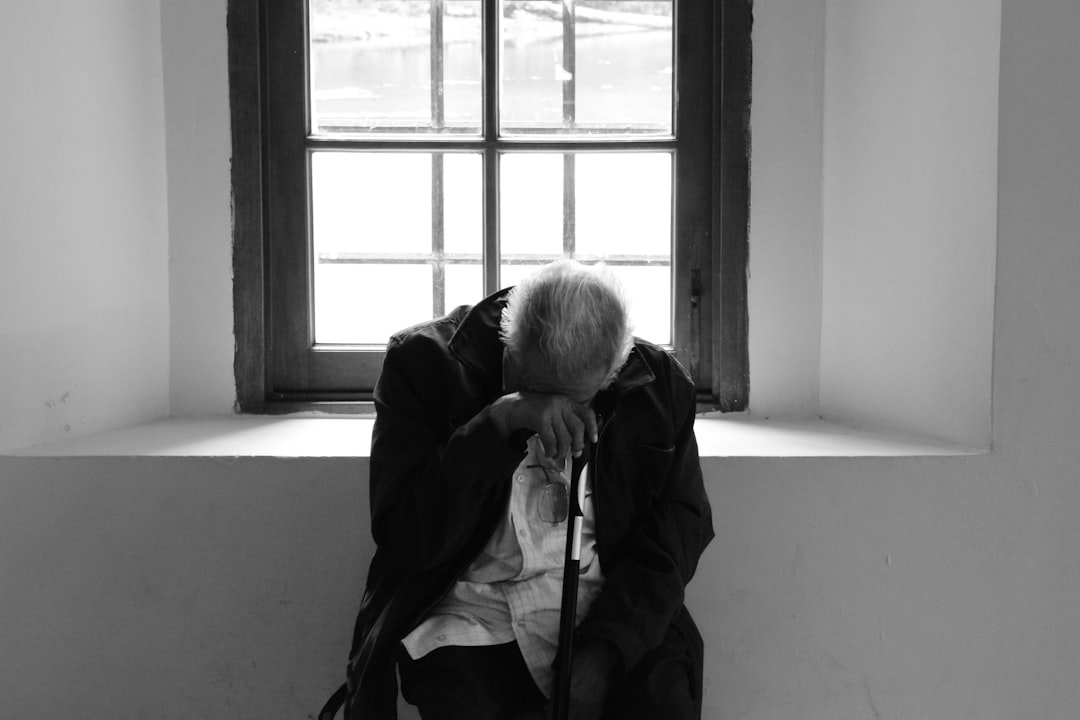
I remember my grandmother after my grandfather passed. They had been married for over sixty years. It wasn't just that she missed him; she missed them. She missed the daily coffee, the shared newspaper, the knowing glance across the room that spoke volumes. This profound sense of loss often encompasses physical changes, a shift in social circles, and a redefinition of identity that can be overwhelming in later life. navigating grief stages is key to processing such a difficult period. Understanding how to offer effective elderly grief support during this re-learning of how to be, without the person who has been a constant, is crucial.
This profound sense of loss often encompasses physical changes, a shift in social circles, and a redefinition of identity that can be overwhelming in later life, making dedicated grief support for seniors absolutely vital. Understanding how to offer effective elderly grief support during this re-learning of how to be, without the person who has been a constant, is crucial.
We all experience loss, but the weight of it in old age often feels different. It can be a lonely road, particularly as friends and peers, who might have understood, are also grappling with their own losses or health issues. The world shrinks a little, and the familiar rhythm of life is suddenly out of sync. This is why supportive communities and tools that allow for personal reflection become so critical for those coping with loss in old age. become so critical for those coping with loss in old age. This is why supportive communities and tools that allow for personal reflection become so critical for grief stages explained in old age, especially when focusing on coping with loss in old age. This is why supportive communities and tools that allow for personal reflection become so critical for those riding grief's waves in old age.
For many, the act of writing letters to deceased loved ones provides a tangible way to express unresolved emotions and find a measure of peace.
Navigating the unique challenges of managing grief after long-term companionship often involves finding new ways to honor enduring love and shared history.
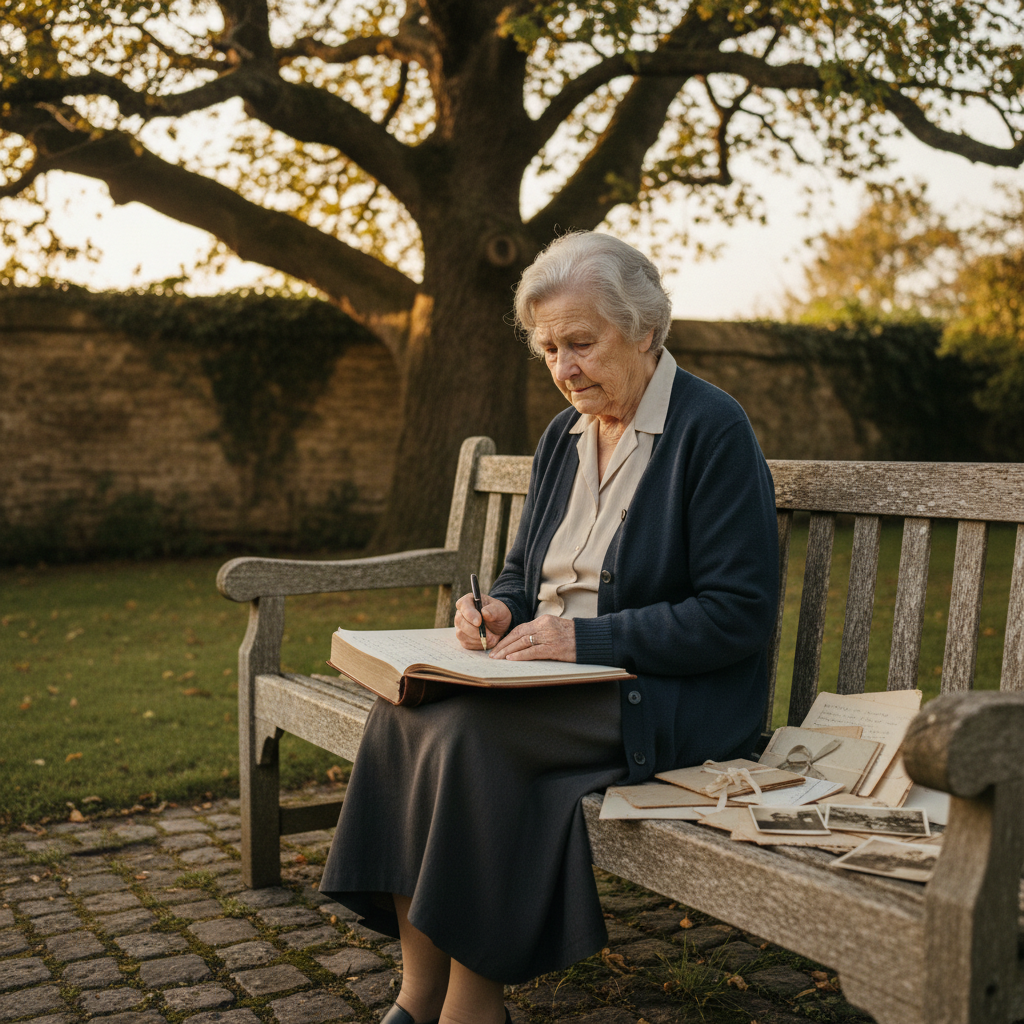
I've found that the act of writing goodbye letters, or more specifically, **writing letters to deceased loved ones**, isn't necessarily about sending them. It's about the process itself, an opportunity to externalize those swirling emotions and find a path toward healing.
Further exploration into these topics can provide profound insights and strategies for coping with loss in old age, offering solace and practical guidance.
The Unspoken Farewell: Why Writing Matters
Sometimes, we don't get to say everything we want to say before a loved one departs. Illness can steal words, or sudden events can leave us with a hollow ache of unspoken thoughts. I've found that the act of writing goodbye letters isn't necessarily about sending them. It's about the process itself-an opportunity to externalize those swirling emotions, express gratitude, recount shared jokes, forgive, or simply say the things that were left unsaid. Engaging in writing goodbye letters offers a unique path to healing. For a comprehensive guide on this practice, you can begin Healing through therapeutic writing. Often, we don't get to say everything we want to say before a loved one departs. Illness can steal words, or sudden events can leave us with a hollow ache of unspoken thoughts. For effective ways for grief processing when words are left unsaid, further resources are available, making writing goodbye letters a powerful tool. For a comprehensive guide on this practice, you can begin Understanding grief psychology.
This isn't just a personal observation. Research supports the therapeutic benefits of expressive writing. The [Journal of Experimental Psychology found that expressive writing about emotional experiences can improve both physical and psychological health](https://doi.org/10.1037/0022-3514.71.3.588). For the elderly, whose circles might be smaller and who might prefer private forms of expression, this practice can be incredibly liberating. It creates a tangible record of love and remembrance, a private conversation frozen in time. The process of writing goodbye letters can be a profound form of self-compassion for those coping with loss in old age.
When I think about the stories my grandparents told, the small moments they cherished, I realize the immense value of capturing these details. A goodbye letter can be a final love note, a recounting of milestones, or a simple affirmation of their impact on your life. It's a way of documenting family memories, and this therapeutic approach is particularly beneficial for coping with loss in old age.
Crafting Your Farewell Letter: A Gentle Guide
There's no right or wrong way to write a goodbye letter, especially when your intention is healing, not necessarily delivery. It's a personal journey of reflection and expression. Here are some thoughts that might guide you in writing goodbye letters:
- Start where you are. Don't feel pressured to have perfect prose. Begin with whatever memory or emotion comes to mind first. It could be a simple "I miss you" or "I remember that time we..." Focusing on personal reflection helps in writing goodbye letters.
- Allow yourself to feel. This isn't about stifling emotions. If tears come, let them. If anger surfaces, acknowledge it. This letter is a safe space for every feeling, and an integral part of elderly grief support.
- Recall specific memories. What were their quirks? What made them laugh? What advice did they give? These details make the letter uniquely yours and richly personal, a crucial step in writing goodbye letters.
- Express gratitude. Thank them for lessons learned, for shared experiences, for their presence in your life. Gratitude can be a powerful balm for the grieving heart, especially when coping with loss in old age.
- Forgive and release. Sometimes, there are unresolved issues. Writing about them, even if only to yourself, can bring a sense of closure and peace, and is often part of the Navigating maternal bereavement of elderly grief support.
This process of written reflection can be a cornerstone of elderly grief support, helping to navigate the complex emotional landscape of loss. It transforms intangible feelings into something concrete, something you can hold onto, reread, and return to whenever you need that quiet conversation. This approach to elderly grief support provides a meaningful pathway through sorrow.
Navigating the unique challenges of coping with loss in old age often means confronting decades of shared memories and experiences.
More Than Words: Seamless digital memorial integration as Living Tributes
After engaging in writing goodbye letters, many ask, "What now?" The beauty of our modern age is that these heartfelt reflections don't have to remain hidden in a drawer. They can become part of a larger, living memorial. This is where Memories of Life provides an invaluable solution for elderly grief support.
Understanding the distinct needs for grief support for seniors is paramount, as their experiences with loss can be deeply intertwined with a lifetime of memories and relationships.
Our platform offers free forever memorial pages, a dedicated space where you can curate photos, share stories, and even upload personal letters. It's a place where the love you felt, and the memories you shared, can be preserved for generations. I see it as a digital scrapbook of a life well-lived, a testament to enduring connections. Creating a lasting tribute is easier than you might think, and it offers a profound sense of continuity, supporting those coping with loss in old age.
Imagine a space where family members, near and far, can contribute their own stories and photos, connecting across distances to honor a shared loved one. Memories of Life understands the importance of these connections, offering features like family tree connections to link various memorial pages, creating a rich tapestry of ancestral legacy. This integration helps families trace their heritage and maintain a collective memory. It's about creating a holistic picture, not just of one life, but of the interwoven lives that surrounded it, providing significant elderly grief support.
Coping with Loss in Old Age: Beyond the Goodbye Letter
While writing goodbye letters is a potent tool, coping with loss in old age requires a multifaceted approach. The grief journey is intensely personal and often non-linear. I've found that small, consistent acts of self-compassion can make a significant difference in coping with loss in old age.
- Maintain routines where possible: Even simple things like a morning walk or a specific mealtime can provide a sense of stability when the world feels destabilized. This is a practical step for coping with loss in old age.
- Stay connected: While grief can be isolating, reaching out to friends, family, or support groups offers comfort. Even a phone call can lighten the load, providing vital elderly grief support.
- Engage in meaningful activities: Hobbies, volunteering, or learning something new can provide purpose and a healthy distraction for those coping with loss in old age.
- Consider professional support: Sometimes, the weight of grief is too heavy to carry alone. A grief counselor or therapist can offer strategies and a safe space for processing emotions, which is an important aspect of elderly grief support.
For those navigating the complexities of their later years, the loss of a long-term partner can feel like the ground shifting beneath their feet. We understand that this is not a short-term process. The American Psychological Association notes that [complicated grief affects approximately 7-10% of bereaved individuals](https://www.apa.org/topics/grief), meaning that for some, the intensity of grief can linger much longer, requiring specialized remembrance rituals and sustained support for coping with loss in old age.
Digital Remembrance Design: A Sanctuary for Memories
The beauty of a platform like Memories of Life lies in its thoughtful digital remembrance design, which is designed to aid in coping with loss in old age. It's not just about uploading content; it's about creating a tranquil digital sanctuary. The interface is intuitive, ensuring memorial site ease of use, even for those less familiar with technology. I believe that when you are in pain, the last thing you need is a complicated system. Our aim is to make the process as gentle as possible, so you can focus on honoring your loved one and find valuable elderly grief support.
Beyond the core memorial page, our premium Celestial Upgrade offers enhanced customization, allowing for a truly personalized space. You can choose from various themes, add more intricate timelines, and even include video tributes. These features are designed to reflect the unique personality and legacy of the person you're remembering. It's about creating a space that feels as individual as the life it celebrates. We also offer tools for long-term preservation, safeguarding these precious digital legacies for future generations, a key component of effective elderly grief support.
When grief becomes particularly complex for older adults, seeking specialized therapy for senior loss and bereavement can offer tailored support and strategies.
Another profoundly comforting feature is the AI condolence assistant. For visitors who struggle to find the right words, this assistant can offer gentle suggestions, helping them craft heartfelt messages. It ensures that every expression of sympathy feels authentic and meaningful, easing the burden on those who wish to offer their support, especially when coping with loss in old age. This feature makes it simpler for friends and family to contribute to the collective remembrance without feeling pressured or unsure of what to say.
Time-Locked Messages: A Gift for Tomorrow
One of the features that resonates deeply with me is the ability to send time-locked messages. Imagine writing goodbye letters in this innovative format, a message to your grandchild today, scheduled to be delivered on their 18th birthday, long after you're gone. Or a message to your spouse, set to appear on a future anniversary. It's a way to extend your love and wisdom beyond your lifetime, a final gift of foresight for those coping with loss in old age.
Many individuals discover the profound benefits of goodbye letters for grief, allowing for a private space to articulate unsaid words and process complex emotions.
These messages are not just for the deceased; they're for the living, carrying forward love and guidance into the future. It's a powerful act of connection, offering comfort and continuity to those left behind. This feature exemplifies how Memories of Life is not just about looking back, but about continuing to participate in the lives of those you cherish, ensuring your presence is felt for years to come – a unique form of elderly grief support. Considering writing goodbye letters as time-locked messages adds a profound dimension.
The act of writing, whether it's a goodbye letter or a time-locked message, is about creating a bridge. A bridge between what was and what will be, between presence and memory, between life and legacy. It's a way to process grief, celebrate a life, and leave an indelible mark on the hearts of those who remain. If you're ready to create a lasting tribute, Memories of Life makes it simple to preserve these moments, ensuring they will never be forgotten, especially for those seeking guidance in writing goodbye letters.
Embracing the Journey of Remembrance
Grief, especially in old age, is a profound process of adaptation and remembrance. It's not about forgetting, but about learning how to carry the love and memories forward. Whether through the quiet act of writing goodbye letters or by establishing a vibrant digital memorial, tools that facilitate personal reflection and shared remembrance are vital. Memories of Life stands as a testament to this belief, offering a dedicated space for profound tributes and comprehensive elderly grief support.
We all understand the weight of loss, and the desire to honor those who have shaped our lives. As [The Grief Recovery Institute states, most adults will experience the death of someone close to them at least once every three years](https://www.griefrecoverymethod.com/)-highlighting the universal, albeit deeply personal, nature of grief. What truly helps is having a place to pour that love, those stories, and those farewells. Consider creating a memorial page on Memories of Life to preserve these cherished moments, ensuring their stories resonate through time, and providing ongoing elderly grief support. Engaging in methods like writing goodbye letters can profoundly aid in coping with loss in old age, offering a tangible legacy of love and remembrance.
Ultimately, engaging in such expressive writing can profoundly contribute to the healing power of writing goodbye, offering solace and a path forward.
The profound impact of shared history on elderly grief often means that farewells carry an immense weight of accumulated love and experience.
Providing consistent and compassionate emotional support for grieving elders is paramount, acknowledging their unique needs for remembrance and processing.
Ultimately, the profound act of putting feelings into words can be a transformative experience, highlighting the healing power of writing goodbye as a therapeutic tool.
Providing consistent emotional support for grieving elders is vital, acknowledging their resilience while recognizing their vulnerability during times of profound sorrow.
It is crucial to be aware of available elderly bereavement resources that cater specifically to the unique challenges faced by older adults experiencing loss.
For more guidance on navigating this journey, explore our comprehensive resource on The Healing Power of Writing Goodbye: Grief Psychology & Therapeutic Writing.