
When Grief Arrives Years Later: Understanding Delayed Grief
I've learned that grief doesn't always follow a neat, predictable timeline. We often expect the immediate aftermath of loss to be the hardest, a raw wound in the present. But I know firsthand – and many of us do – that sometimes, the sharpest pains, the deepest pangs of sorrow, can surface years after a loved one has passed, reminding us that navigating the waves of sorrow is a continuous process. This is the heart of delayed grief, a phenomenon where the full weight of absence, the conversations that never happened, and the goodbyes that were left unsaid, comes rushing in with an unexpected force. Understanding this journey can be a crucial step in healing from the lasting impact of delayed grief. This is the heart of delayed grief , a phenomenon where the full weight of absence, the conversations that never happened, and the goodbyes that were left unsaid, comes rushing in with an unexpected force. Understanding this journey can be a crucial step in healing from the lasting impact of delayed grief and can be further explored by healing through therapeutic writing. Understanding this journey can be a crucial step in healing from the lasting impact of delayed grief and can be further explored by understanding grief psychology. Understanding this journey can be a crucial step in healing from the lasting impact of delayed grief and navigating the personal healing process.
I remember feeling a profound sense of numbness when my grandfather died. I was young, caught up in the logistics, the comforting of others. For years, I told myself I’d processed it, that I was “over it.” But then, a decade later, during a quiet moment watching my own child play, a wave of intense sadness hit me. It wasn't just missing him; it was a deep, aching regret for all the moments he never got to share with my family, all the questions I never asked. That was my unexpected encounter with delayed grief. It left me wondering how to articulate so much, so long after the fact. Many others experience this specific form of delayed grief.
As you navigate your own healing journey, consider how coordinating memorial access with family can provide a sense of shared purpose and alleviate stress.
Sometimes, when the words are hard to find, even short goodbye messages can offer a profound sense of closure and express what's in your heart.
We all have people we carry in our hearts, even if they’re no longer physically present. We continue those internal conversations, sometimes for decades. For many of us, this lingering connection can transform into active grief at unexpected times. It's a testament to the enduring power of love and loss that our minds and hearts continue to process these complex emotions on their own schedule. It's important, I think, to acknowledge that this experience is not unusual; [most adults will experience the death of someone close to them at least once every three years](https://www.griefrecoverymethod.com/), making grief, in all its forms, a universal journey. These profound experiences can often lead to delayed grief. It's important, I think, to acknowledge that this experience is not unusual; [most adults will experience the death of someone close to them at least once every three years](https://www.griefrecoverymethod.com/), making grief, in all its forms, a universal journey. These profound experiences can often lead to delayed grief , making understanding the journey of loss even more crucial.
For those grappling with profound sorrow that surfaces unexpectedly, seeking support groups for delayed bereavement can provide a vital community and understanding.
If you're grappling with the persistent weight of an impact of unresolved grief, acknowledging this struggle is a vital step toward healing and finding appropriate assistance.
This phenomenon, often described as grief resurfacing years later, highlights how our emotional responses to loss can evolve and manifest unexpectedly over time. Acknowledging that grief can resurface years later is crucial for understanding its long-term impact.
When this delayed grief surfaces, it can feel disorienting. You might even question if it's "normal" to feel such intense sorrow so long after the event. Rest assured, it is. Life happens, we cope in the best ways we know how at the time, and sometimes, our emotional capacity for deep mourning is simply not available until years have passed. Perhaps you had to be strong for others, or you faced other significant stressors. Later, when life settles, the floodgates open. This is a gentle reminder from your heart that there's still healing to be done, words that need to be spoken, even if only to yourself or in a private space, especially when dealing with the lingering effects of delayed grief. When this delayed grief surfaces, it can feel disorienting. You might even question if it's "normal" to experience these feelings, especially since grief will come in waves.
When delayed grief takes hold, people often wonder if the feelings they are experiencing are normal. While the intensity and timing can vary significantly for each individual, common delayed grief symptoms often include persistent sadness, anxiety, anger, or even physical manifestations like fatigue and changes in appetite.
Understanding these common delayed grief symptoms is the first step towards effectively coping with delayed grief and finding healthy ways to process these powerful emotions.
The Long Shadow of Unspoken Goodbyes
For me, the hardest part of that delayed grief wasn't just the sadness, but the feeling of unfinished business. There were so many things I wanted to say, so many stories I wanted to hear again. I know people who experienced similar feelings when a parent passed unexpectedly from a heart attack, or after years of a slow decline from cancer. Those last words, the final acknowledgment of love and connection - they often remain trapped within us. We carry them, sometimes for a lifetime, a heavy, unspoken burden which contributes to delayed grief.
This is where the transformative power of writing a goodbye letter after death comes into its own. It’s not about sending it off to the deceased; it's about giving voice to those trapped feelings, those lingering regrets, those unuttered words. It creates a sacred space for a conversation that can finally happen, even if it's a one-sided dialogue with a spectral listener. I've found immense comfort in this process, in pouring out my heart onto the page, knowing it's a profound act of self-care and remembrance, particularly when engaging in the healing practice of writing a goodbye letter after death. It's a way to acknowledge the depth of your continued bond, a core tenet of the Continuing Bonds Theory: Maintaining Connection After Loss.
When you sit down to write, you're not just crafting words; you're creating a tangible representation of your love, your loss, and your journey. This act of expressive writing offers a unique avenue for processing complex emotions, especially when the grief feels as fresh as if the loss just happened yesterday. It allows us to revisit those moments, to acknowledge what was left unsaid, and to find a form of peace within ourselves, offering a sense of closure through acts like writing a goodbye letter after death.
Finding Your Voice: Grief Writing Prompts for Healing
Starting to write when you're deep in the throes of delayed grief can feel overwhelming. What do you even say? Where do you begin? I remember facing a blank page and feeling completely paralyzed. That's why I think grief writing prompts can be incredibly helpful. They offer gentle guidance, a starting point when your mind is swirling with unspoken emotions. Think of them not as rules, but as invitations to explore what's in your heart, and you’ll discover the power of grief writing prompts.
Understanding the nuances of coping with delayed grief involves acknowledging that healing is not linear and can manifest years after a loss.
Here are some grief writing prompts that helped me, and that I believe can guide you in exploring your own delayed grief:
Understanding how to process grief years after death often involves creating new rituals and recognizing that healing is not a linear path, but a journey of ongoing remembrance and acceptance.
- "If I had one more day, what would I say?": This prompt encourages you to imagine a final conversation, addressing all those lingering thoughts and feelings, and is one of many effective grief writing prompts.
- "What memory suddenly surfaced that made me realize my grief was still present?": Delve into the specific trigger for your delayed grief. What was the memory? How did it make you feel? These grief writing prompts help to pinpoint specific emotions.
- "What unspoken lessons or gifts did this person leave me with that I'm only now truly understanding?": Reflect on their lasting impact and wisdom that has unfolded over time. Using grief writing prompts like this can bring clarity.
- "What do I regret not saying or doing, and how can I offer myself compassion for that?": Acknowledge regrets without judgment, and practice self-forgiveness. Among various grief writing prompts, this addresses personal reflection.
- "Write a letter to yourself at the time of the loss, knowing what you know now about your grief journey.": Offer future insight and comfort to your past self, a core exercise in grief writing prompts.
- "What parts of this person do I see alive in myself or others today?": Connect their legacy to the present. These grief writing prompts help honor remembrance.
These grief writing prompts are designed to open up channels for honest self-expression. There's no right or wrong answer, no correct way to feel. The purpose is simply to allow the words to flow, creating a space for release and reflection. This kind of expressive writing about emotional experiences can improve both physical and psychological health, offering tangible benefits beyond simply articulating your feelings. It's a profound way to tend to your inner landscape, especially when navigating moments of delayed grief.
Crafting a Goodbye: The Intimacy of a Farewell Message
When I finally sat down to draft my goodbye letter after years of carrying that silent burden, it felt incredibly intimate. Like whispering a secret to the universe. There's a unique vulnerability in putting those deepest thoughts on paper. It's not just about the person who is gone; it's also about acknowledging your own pain, your own strength in facing it. This act of creating a farewell message is a powerful ritual, a personal ceremony of remembrance and release. Many find solace here, often after coming to terms with their delayed grief.
Consider these elements as you craft your own goodbye, an essential part of writing a goodbye letter after death:
- Acknowledge the passage of time: Start by recognizing that this letter comes years later. "It's been X years since you left, and only now am I truly able to write this..." This is particularly relevant when writing a goodbye letter after death to address delayed grief.
- Express what was left unsaid: Did you have a specific apology you wanted to make, a "thank you" you forgot, or a confession of love that felt too hard at the time? This is your opportunity, especially when writing a goodbye letter after death.
- Share how their absence has impacted you over the years: Detail moments they missed, milestones that felt hollow without them, or how their memory has evolved as you've grown. This is where the long-term impact of delayed grief really surfaces, and it's cathartic to express this in a writing a goodbye letter after death.
- Share current life events: Tell them about your children, your career, your joys, and your struggles. Update them on the life you've continued to live, as if they were still here to listen. This continues the bond in a very real way, particularly through the act of writing a goodbye letter after death.
- Forgive: If there are unresolved issues, you can choose to offer forgiveness - to them, or to yourself. This isn't about condoning past actions, but releasing the hold they have on your present, a powerful step when writing a goodbye letter after death.
- Express enduring love and gratitude: Reiterate your love and appreciation for their presence in your life, even if cut short or complicated. This sentiment is often at the heart of writing a goodbye letter after death.
Remember, this letter is for you. It's a tool for healing your delayed grief, an opportunity to create a sense of closure, even if the ending isn't conventional. There's no need to polish it or make it perfect. The raw honesty is what makes it powerful, especially when you are engaged in the process of writing a goodbye letter after death. Once you've written it, you might read it aloud, burn it, keep it in a special place, or even tear it up. The act of creation is the most important part, particularly when dealing with delayed grief.
Honoring Their Memory With A Lasting Digital Page
After I wrote my own goodbye letter, I realized the profound need for a dedicated space to externalize these feelings and memories. Memories fade, and traditional memorials can feel distant. I understand the desire to create an enduring space, a living tribute that can evolve with our grief and our memories. This is where a platform like Memories of Life truly shines. It offers more than just a memorial; it's a dynamic archive for the heart, especially for those experiencing delayed grief.
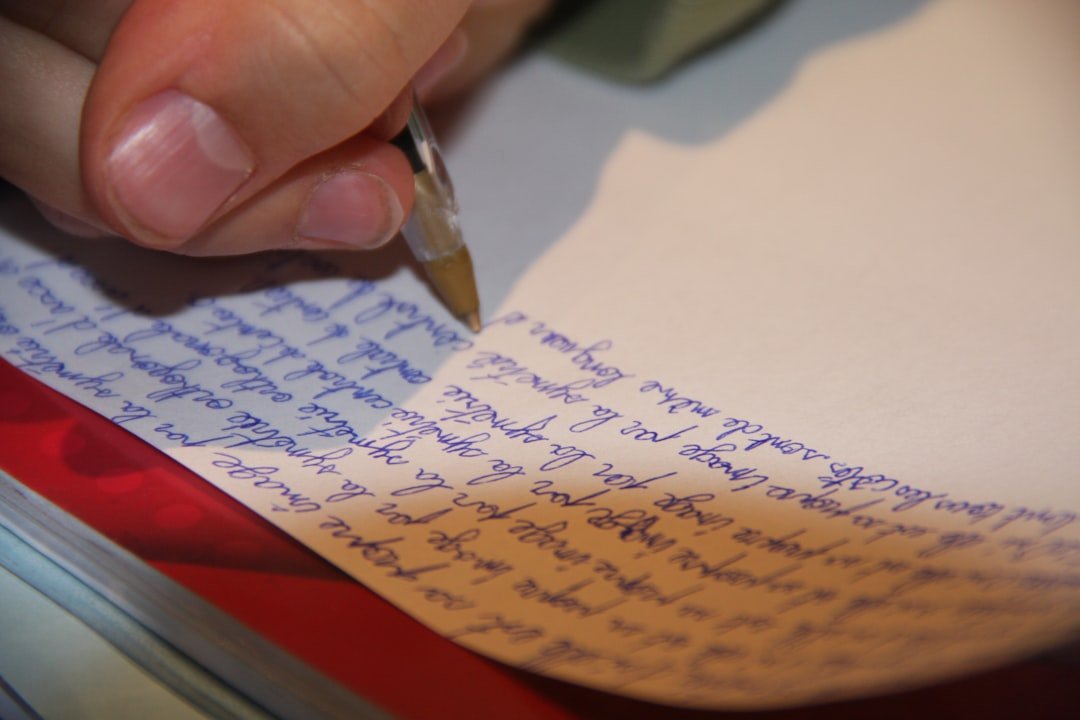
Memories of Life for Your Goodbye Letter After Death
For me, the idea of having a place where I could not only hold my private thoughts but also share curated memories with others who loved him was incredibly appealing. Memories of Life understands that grief is a continuous process, not a one-time event. They provide free forever memorial pages, which means you never have to worry about your heartfelt tributes disappearing behind a paywall or after a trial period. This permanence is, I think, a vital component when we are grappling with something as enduring as delayed grief. It offers a solid foundation for your ongoing remembrance activities, whether it's adding new photos or contributing more stories as they surface, particularly when reflecting on the impact of writing a goodbye letter after death.
Perhaps, like me, you've thought about all the things you wish you'd said, all the small details you want to preserve. Memories of Life allows you to do just that. You can not only upload your goodbye letter - if you choose to make it public or share it privately with family - but also significant photos, videos, and even audio recordings. It creates a rich tapestry of remembrance, a place where the deceased's life story can continue to be told and cherished by an entire creating meaningful tributes. It's such a comfort, knowing that future generations can access these stories, helping to weave their ancestor into their own lives, especially as a follow-up to writing a goodbye letter after death.
The very act of putting pen to paper, especially when crafting a letter years later, exemplifies the profound impact of expressive writing for grief therapy.
Consider these unique aspects of a Memories of Life memorial page, which can complement your grief writing prompts activities:
- AI Condolence Assistant: For friends and family who struggle with what to say, this feature can gently guide them in crafting meaningful messages, fostering a more robust community of support, building on the openness encouraged by grief writing prompts.
- Time-Locked Messages: Imagine writing a message to your loved one - or to a future family member - that becomes visible on a specific date, perhaps an anniversary or birthday years from now. This feature adds a beautiful, forward-looking dimension to remembrance, extending the reflection found in grief writing prompts.
- Family Tree Connections: This allows you to link multiple memorials, building a comprehensive ancestral legacy. It's a wonderful way to visualize the intricate web of family bonds and to honor multiple generations in one interconnected space. This can be inspired by initial grief writing prompts.
- Premium Celestial Upgrade: For those who desire even more customization and advanced features, the Celestial Upgrade offers enhanced ways to personalize the memorial, ensuring it perfectly reflects the unique spirit of the loved one. It provides a permanent sanctuary after using grief writing prompts.
When you are ready to bring those internal conversations and memories into a shared, lasting space, creating a memorial on Memories of Life is a gentle, intuitive process. It provides a secure and meaningful home for all the love and memories that surface during this extended journey of grief, offering continued support after using grief writing prompts or writing a goodbye letter after death.
For those experiencing a resurgence of sorrow long after a loss, seeking grief counseling for delayed loss can provide tailored strategies and a supportive environment to navigate these complex emotions.
Moving Forward with Memories and Unspoken Words
Experiencing delayed grief can be an isolating journey, especially if you feel that "enough time has passed." But the heart doesn't operate on a clock, and emotions don't adhere to societal expectations. I've found that the act of acknowledging this grief, of giving it space and voice through practices like writing a goodbye letter after death, is profoundly liberating. It's a brave step toward healing, a declaration that your love and your sorrow are valid, no matter when they arrive.
The goal isn't to "get over" the loss, but to integrate it into the fabric of your life. It's about finding a way to carry those memories, those unspoken words, those lingering goodbyes, in a way that feels lighter and more purposeful. Utilizing grief writing prompts can be an invaluable starting point, helping you to excavate the emotions that have lain dormant for so long. And when you're ready to share fragments of this journey, or simply create a permanent sanctuary for private reflection, a digital memorial offers a beautiful solution, extending the healing initiated by grief writing prompts or writing a goodbye letter after death.
In a world where [an estimated 2.5 million people die in the United States each year](https://www.cdc.gov/nchs/fastats/deaths.htm), the need for meaningful remembrance is constant. Each of those numbers represents a life, a story, and a person deeply missed. Whether your grief is fresh or has arrived years later, your experience is valid, and your journey toward healing is personal. I hope that through writing, and through creating a space for those memories, you find comfort in the continuing story of your loved one, and in your own resilience especially when confronting delayed grief.
Ultimately, the therapeutic process of articulating long-held emotions through a letter underscores the healing power of writing goodbye, offering a pathway toward peace and acceptance.
Achieving a sense of closure after sudden loss years later is a deeply personal journey, often facilitated by intentional acts of remembrance like writing a heartfelt goodbye.
Many find solace in exploring the psychological underpinnings of understanding delayed emotional response to death, realizing that grief often unfolds at its own pace, sometimes long after the initial event.
This therapeutic practice aligns with the broader principles of grief psychology and therapeutic writing, offering a structured approach to processing complex emotions.
Engaging in expressive writing for grief therapy can be a profound way to articulate unspoken feelings and find a sense of closure, even years after a significant loss.
Connecting with others who share similar experiences through support groups for delayed bereavement can offer immense validation and a sense of community during these challenging times.
For more guidance on navigating this journey, explore our comprehensive resource on The Healing Power of Writing Goodbye: Grief Psychology & Therapeutic Writing.