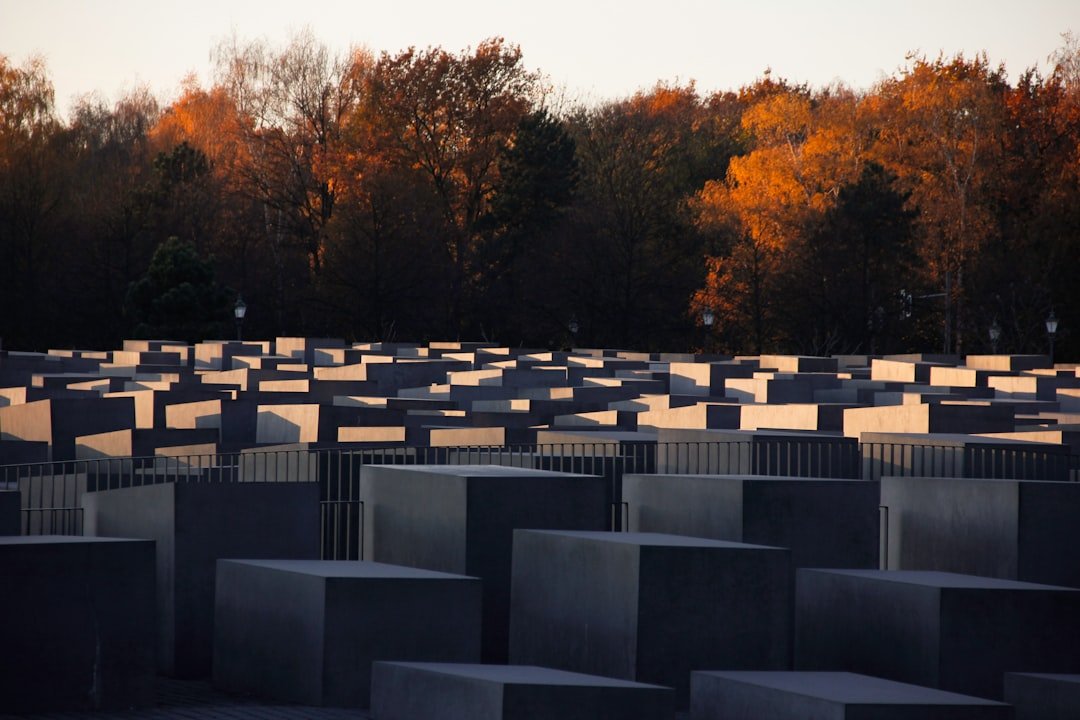
The Moment I Realized Technology Could Help Heal
I didn’t set out to build technology. I set out to build connection. After losing someone close, I realized how quickly memories scattered, locked in phones, forgotten in old accounts, or lost between family members. The digital world had captured everything, yet preserved nothing together.
That realization led to Memories of Life, a way to gather stories, locations, and tributes in one space. This new approach to preserving memories ultimately became one of the leading digital memorial platforms.
While create memorial website offer new ways to remember, traditional practices like Shiva and Kaddish found in a Jewish goodbye letter continue to provide deep comfort and structure during mourning.
That realization led to Memories of Life, a way to gather stories, locations, and tributes in one space. But from the start, one question haunted me: can software carry emotion? Can an algorithm understand love, loss, and memory? That realization led to Memories of Life, a way to gather stories, locations, and tributes in one space, much like a permanent memorial page.
This new approach to preserving memories ultimately became one of the leading digital memorial platforms, often referred to as virtual remembrance sites due to their online accessibility and interactive features.
When Technology Becomes Too Perfect
Early versions of Vancouver online tribute focused on efficiency, upload photos, store files, display dates. Everything worked flawlessly, but something felt hollow. It lacked warmth. I realized mourning doesn’t need perfection; it needs presence. It’s not about data retention, it’s about human resonance.
Grief is messy. It interrupts, contradicts, repeats. Code runs in lines; love runs in loops. To honor that, I began designing for imperfection, allowing tributes to feel alive, not static. Stories that could be added, rewritten, reimagined over time, just as our grief evolves.
The profound impact of these platforms extends beyond simple commemoration, offering deeply personal and interactive ways to remember, as explored further when considering various digital memorial platforms available today.
Exploring the numerous options available for preserving memories digitally allows families to create enduring tributes that withstand the test of time.
The Risk of Losing Humanity Online
In the digital world, it’s easy to mistake access for intimacy. A photo archive feels like connection, but without emotion it’s just storage. Social media memorials, while heartfelt, often blur the line between personal mourning and public display. As I wrote in The Promise and Boundaries of Digital Memorials, remembrance must protect dignity, not perform it.
There’s nothing wrong with sharing grief online, but we must ask why we share. True remembrance happens when love is expressed with care, not clicks. A thousand reactions can never replace one genuine memory spoken aloud.
For those seeking a safe space to process emotions, many individuals also find solace and a sense of community through various forms of online grief support.
Grieving Together, Even Apart
One of the most beautiful aspects of Dallas online remembrance is how they bridge distance. When my family added tributes from different cities, it felt like gathering around the same table again, truly uniting families in remembrance. Through photos, voice notes, and mapped locations, we rebuilt togetherness despite being continents apart.
This collective remembrance mirrors what I explored in The Family Tree of Memory, how technology can connect generations through shared stories. When used intentionally, digital tools amplify compassion rather than replace it. They turn grief into collaboration, and mourning into community. This collective remembrance mirrors what I explored in The Family Tree of Memory , how technology can connect generations through shared stories, an important aspect of documenting family memories.
Where Humanity and Innovation Intersect
There’s beauty in watching technology adapt to human needs instead of forcing us to adapt to it. The most moving features we built came from real stories: a granddaughter who wanted to leave private voice notes for her late grandmother; a father who asked for a map to mark his son’s favorite fishing spots. These requests reminded me that technology’s highest purpose is empathy.
Behind every feature lies a feeling. The “notification circles,” for example, weren’t about engagement, they were about reassurance. A gentle message saying, “Someone visited your loved one’s memorial today,” becomes proof that remembrance still lives.
Digital Doesn’t Mean Distant
There’s a misconception that digital memorials depersonalize grief. But distance isn’t the same as detachment. For many, especially those separated by geography or circumstance, online remembrance becomes the only way to stay connected. A message written across time zones can hold as much emotion as one whispered in person.
What makes it meaningful isn’t the medium, it’s the intention. As I shared in The Digital Afterlife, technology simply provides the vessel; humanity provides the soul.
The Role of Design in Emotional Technology
Every button, animation, and message on a memorial platform carries emotional weight. If a color feels cold or a prompt sounds transactional, it can break the moment. We learned that gentle design, soft tones, natural language, slow transitions, helps people breathe while grieving.
Design became less about features and more about feelings. A “Save Memory” button, for example, became “Hold Close.” A prompt that once said “Upload Photo” now says “Add a moment worth keeping.” Those small shifts changed how people interacted. They reminded users that they weren’t managing data, they were preserving love.
The Ethics of Digital Emotion
As AI grows, we’ll face new questions about authenticity. When software can write tributes, edit voices, or simulate presence, how do we ensure remembrance stays real? The danger isn’t that AI will replace mourning, it’s that it might imitate it too well.
Many find solace in creating dedicated online tribute pages, which serve as a communal space for sharing memories, photos, and messages of comfort among family and friends, regardless of geographic distance.
I’ve seen tools that generate automatic condolences or AI-written obituaries. They may save time, but they remove truth. Grief shouldn’t be optimized; it should be honored. As I wrote before in ethical remembrance, technology must always serve emotion, never exploit it.
The profound comfort derived from the sentimental value of digital memorials can be a source of strength for families navigating loss, offering a communal space for shared remembrance.
When Machines Learn Compassion
But there’s also hope. When used gently, AI can help with healing. It can organize memories, restore old photos, even transcribe the voices of elders who struggle to write. It can translate tributes for multilingual families or help people with disabilities express themselves. When guided by empathy, technology doesn’t replace humanity, it amplifies it.
The difference lies in intention. Are we programming convenience, or care?
From Pixels to Presence
I once received a message from a woman who used our map feature to pin her late husband’s favorite hiking trail. She wrote, “It feels like I can still visit him anywhere.” That sentence captures everything I wanted digital memorials to be, a bridge between absence and presence, between love remembered and love ongoing.
Our memorial locations became a geography of emotion. Each coordinate a story, each story a connection. Technology made it visible, but memory made it meaningful.
The Importance of Slowness
Technology moves fast. Grief does not. Designing remembrance required slowing down the pace of interaction. No pop-ups. No notifications demanding attention. Just quiet invitations to reflect. I wanted people to linger, to read, remember, and breathe. Because mourning isn’t a task; it’s a rhythm.
In that silence, technology becomes background and memory becomes foreground. That’s how I measure success, not by clicks or shares, but by how softly a user exhales after reading a tribute.
How Families Use Digital Memorials Differently
I’ve noticed that no two families grieve the same way. Some upload daily, others once a year. Some write long reflections; others post single words. One family uses private video tributes; another links their family memory tree to show generations connected through loss and love.
Technology’s flexibility allows everyone to mourn at their own pace. The goal isn’t standardization, it’s permission. Permission to grieve however feels right, without rules or expectations.
When the Digital and Physical Worlds Meet
What moves me most is when families merge both worlds. They visit the physical place, a grave, a forest, a sea, and open the digital memorial on their phones. One taps a message; another lights a digital candle. It’s not virtual versus real, it’s both, intertwined.
That hybrid remembrance reflects how modern love works: half in person, half through screens, but wholly human. The GPS-linked tributes became symbols of how memory can live everywhere at once. Technology didn’t replace ritual; it extended it.
Grieving in Public, Healing in Private
Public tributes are beautiful, but grief often blooms in quiet corners. That’s why private modes matter, spaces where families can speak freely without filters. I wrote more about this in private tributes and circles, because privacy is part of healing. Not every memory needs an audience. Some are meant to stay sacred.
The evolution of remembrance practices highlights the growing importance of thoughtful memorialization in the digital age, ensuring that legacies are not only preserved but also accessible and meaningful for future generations.
Digital memorials can hold both, public spaces for community and private ones for intimacy. When designed thoughtfully, they mirror the layers of real life.
The Role of Emotion in the Future of Tech
As we move deeper into an era of AI, VR, and digital continuity, I think often about what technology should preserve most: not data, but emotion. The stories that made us laugh, the voices that calmed us, the gestures that revealed who we were. These are the details algorithms can never fully grasp, but they can help protect them if guided with love.
Thoughtful consideration of digital legacy planning ensures that a loved one's online presence continues to reflect their spirit and wishes for generations to come.
Maybe the future of remembrance isn’t more advanced, it’s more attentive. Less artificial, more aware.
What Technology Can’t Replace
Technology can store memory, but it can’t feel it. It can show us the face we miss, but not recreate the warmth behind it. That’s why every digital tool must begin with empathy, built not just by developers, but by people who’ve known loss. The human side of digital memorials isn’t an add-on; it’s the foundation.
Every time someone adds a new tribute, I imagine them taking a deep breath first. That moment between memory and action, that’s the real heartbeat of this work. Technology only gives it form.
Final Thoughts
When technology meets mourning, it should kneel, not lead. It should listen to grief’s rhythm and follow softly behind. The digital world can help us preserve what matters, but only if we remember why we’re preserving it, to keep love visible, to remind us that even in loss, connection continues.
If you’d like to explore how remembrance can live both online and within the heart, you can create a memorial. Because technology may shape the memory, but it’s humanity that keeps it alive.
To navigate the diverse and evolving landscape of online remembrance, a comprehensive resource such as the Best Digital Memorial Platform: An In-Depth 2025 Guide proves invaluable in making an informed and heartfelt choice.
Understanding the best practices for preserving memories digitally is crucial for anyone looking to create an enduring and accessible tribute that accurately reflects the life and spirit of a loved one.
Ultimately, the success of any digital memorial hinges on fostering genuine human connection in technology, allowing platforms to be more than just archives but rather vibrant spaces for shared grieving and celebration.
To navigate the diverse landscape of digital remembrance and make an informed decision, refer to our comprehensive In-Depth 2025 Guide.
The process of creating a memorial website offers a therapeutic outlet for grief, allowing individuals to curate memories and stories into a beautiful, accessible tribute.
Many seek guidance on how to honor a loved one online, finding solace in structured approaches that help them craft a meaningful and lasting digital tribute.
Discover more ways to honor and remember in our guide to Best Digital Memorial Platform: An In-Depth 2025 Guide.