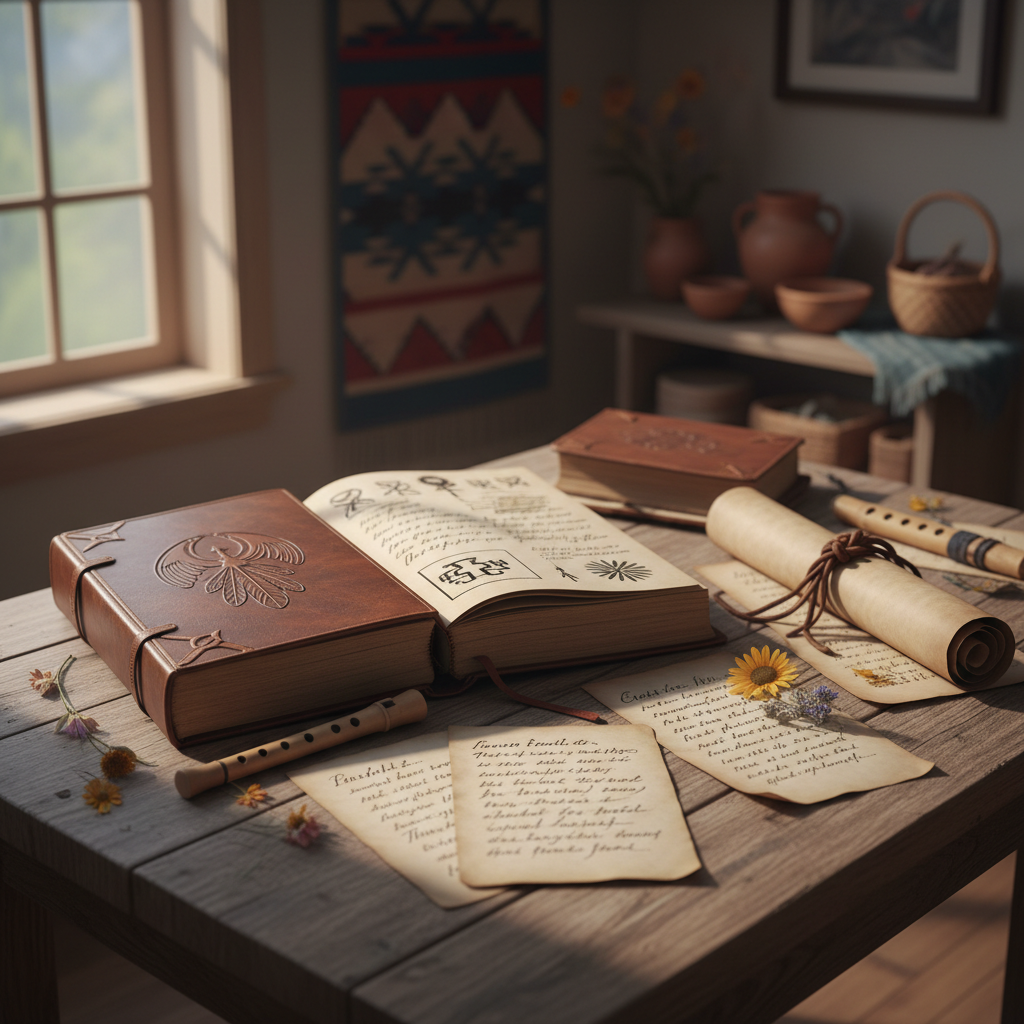
Understanding Native American Death Traditions
Losing someone we cherish leaves an ache that no words can fully capture. I remember the sharp, disorienting pain of my own losses, the way the world seems to tilt on its axis. In those moments, I found myself searching for something to hold onto, traditions that could offer a semblance of meaning amid the chaos of grief, especially when navigating the journey of loss. traditions that could offer a semblance of meaning amid the chaos of grief, especially when understanding grief stages. We all grapple with loss, and while the pain is universal, the ways we mourn and remember vary profoundly. For Indigenous peoples across North America, Native American death traditions are deeply interwoven with spiritual beliefs, community, and an enduring connection to the land and ancestors. These traditions offer a profound understanding of life, death, and the journey beyond, often emphasizing continuity rather than finality. We all grapple with loss, and while the pain is universal, the ways we mourn and remember vary profoundly. For Indigenous peoples across North America, Native American death traditions are deeply interwoven with spiritual beliefs, community, and an enduring connection to the land and ancestors. These traditions offer a profound understanding of life, death, and the journey beyond, often emphasizing continuity rather than finality. We all grapple with loss, and while the pain is universal, the ways we mourn and remember vary profoundly. For Indigenous peoples across North America, Native American death traditions are deeply interwoven with spiritual beliefs, community, and an enduring connection to the land and ancestors. These traditions offer a profound understanding of life, death, and the journey beyond, often emphasizing continuity rather than finality, much like understanding different goodbye traditions across various faiths and cultures.
For Indigenous peoples across North America, their unique grief responses often include profound Indigenous mourning rituals that are deeply interwoven with spiritual beliefs, community, and an enduring connection to the land and ancestors.
I've learned that understanding these rich cultural practices isn't just about historical knowledge; it's about appreciating diverse approaches to what it means to say goodbye. It's about seeing how different cultures navigate the tender pathways of grief and creating a brother's tribute. Many of these traditions reflect a cyclical view of existence, where death is not an end but a transformation, a return to the natural elements, or a transition to another realm of being. This perspective often brings a sense of comfort and continuity, helping families cope with the immense weight of absence when considering Native American death traditions. I've learned that understanding these rich cultural practices isn't just about historical knowledge; it's about appreciating diverse approaches to what it means to say goodbye . It's about seeing how different cultures navigate the tender pathways of grief and honor their loved ones, reflecting the broader discussion of different cultural approaches to farewells.
When we explore "spiritual practices for Native American death," we find profound ceremonial expressions that guide the departed and bring solace to the living.
The profound respect for nature and the interconnectedness of all life are central tenets reflected in Indigenous mourning rituals, guiding how communities honor their deceased.
These ceremonies are deeply rooted in community and reverence, offering unique insights into spiritual practices for Native American death that differ significantly from other cultures.
The Sacred Journey of Remembrance
Every tribe possesses its own distinct customs and ceremonies, reflective of their unique history, environment, and spiritual worldview. Yet, overarching themes often unite many Native American death traditions. There's a deep respect for the deceased, a recognition of their spirit's ongoing presence, and a commitment to ensuring their journey beyond is supported by family and community. I often wonder about the conversations that never happened, the words left unsaid, and how vital these traditions are in providing a framework for unspoken farewells, a concept often explored within Native American death traditions. I often wonder about the conversations that never happened, the words left unsaid, and how vital these traditions are in providing a framework for unspoken farewells , a concept often explored within Native American death traditions , similar to the comfort found in crafting faith-based farewell messages.
For some, practices include specific burial rituals, preparing the body, or conducting purification ceremonies. These rites are fundamental in guiding the spirit and ensuring its peaceful passage within many Native American death traditions. The concept of the "spirit journey" is central, with living relatives often engaging in ceremonies to assist the deceased on their path. This active participation in the transition process offers a powerful way for communities to collectively process grief and maintain their connection to those who have passed. It is a testament to the enduring bonds of family and community. For some, practices include specific burial rituals, preparing the body, or conducting purification ceremonies. These rites are fundamental in guiding the spirit and ensuring its peaceful passage. The concept of the 'spirit journey' is central, with living relatives often engaging in ceremonies to assist the deceased on their path, much like Austin digital memorial services.
- Respect for Ancestors: Many tribes hold ancestors in high esteem, recognizing their continued influence and wisdom, a cornerstone of Native American death traditions.
- Connection to Nature: The sacredness of land, animals, and natural elements is deeply integrated into death rituals within Native American death traditions.
- Community Support: Grief is often a communal experience, with family and tribal members offering extensive support, central to Native American death traditions.
- Cyclical View of Life: Death is often seen as part of a continuous cycle of existence, not an ultimate end, which is a core belief in many Native American death traditions.
- Oral Traditions: Stories and teachings passed down through generations reinforce cultural values surrounding death, crucial for understanding Native American death traditions.
Each tribe possesses its own distinct customs and ceremonies, reflective of their unique history, environment, and spiritual worldview; among these, Native American funeral customs are particularly rich and varied, offering unique perspectives on transition and remembrance.
Farewell Writing: A Bridge Across Realms
In a world where traditional practices might sometimes be inaccessible or difficult to uphold in their entirety, modern forms of remembrance emerge, yet they can still draw from and honor ancient wisdom, particularly when reflecting on Native American death traditions. This is where farewell writing comes in. I've written letters to loved ones I've lost, words that will never physically reach them, but which felt profoundly necessary for my own healing journey. For many, structuring their thoughts and feelings into a farewell message provides a tangible way to express grief, gratitude, or even unresolved emotions. It's a deeply personal act, a conversation held in the heart.
Farewell writing can take many forms: letters addressed directly to the deceased, journaling about memories, or crafting a tribute that captures their essence. It can be a vital step in processing complex grief, especially when an opportunity for a final goodbye wasn't possible. I know the feeling of wishing for one more moment, one more word. Writing can create that space, even if it's just in our minds. It helps us articulate the unique bond we shared, bringing comfort in its creation.
Creating a Lasting Tribute with Memories of Life
Reflecting on these profound traditions of remembrance, it becomes clear how much we crave ways to keep our loved ones' stories alive. This is where a platform like Memories of Life steps in, providing a contemporary space to honor these enduring values, often found in Native American death traditions. For those seeking to preserve the legacy of a loved one, a Create partner's digital tribute offers an accessible, ever-present space for remembrance. Our platform helps bridge the gap between ancient traditions of honoring memory and modern technology, allowing families to create a lasting tribute that can be shared across generations.
Understanding the complex meaning of death in Native American culture often reveals a cyclical view of existence, where life and death are continuous journeys.
I remember wishing there was an easy way to organize all the photos, stories, and anecdotes about my grandparents. Memories of Life offers just that. We understand that every life is a story worth telling and preserving, particularly for those whose ancestral connections are so central to their identity. The beauty of a comprehensive digital remembrance design is that it allows for the integration of various media types, ensuring a rich tapestry of memories available to all who visit the memorial site. The memorial site ease of use is something I deeply appreciate, especially during a time when complex tasks feel overwhelming.
Understanding the profound meaning of death in Native American culture often reveals a cyclical view of life, deeply connected to nature and ancestral lands.
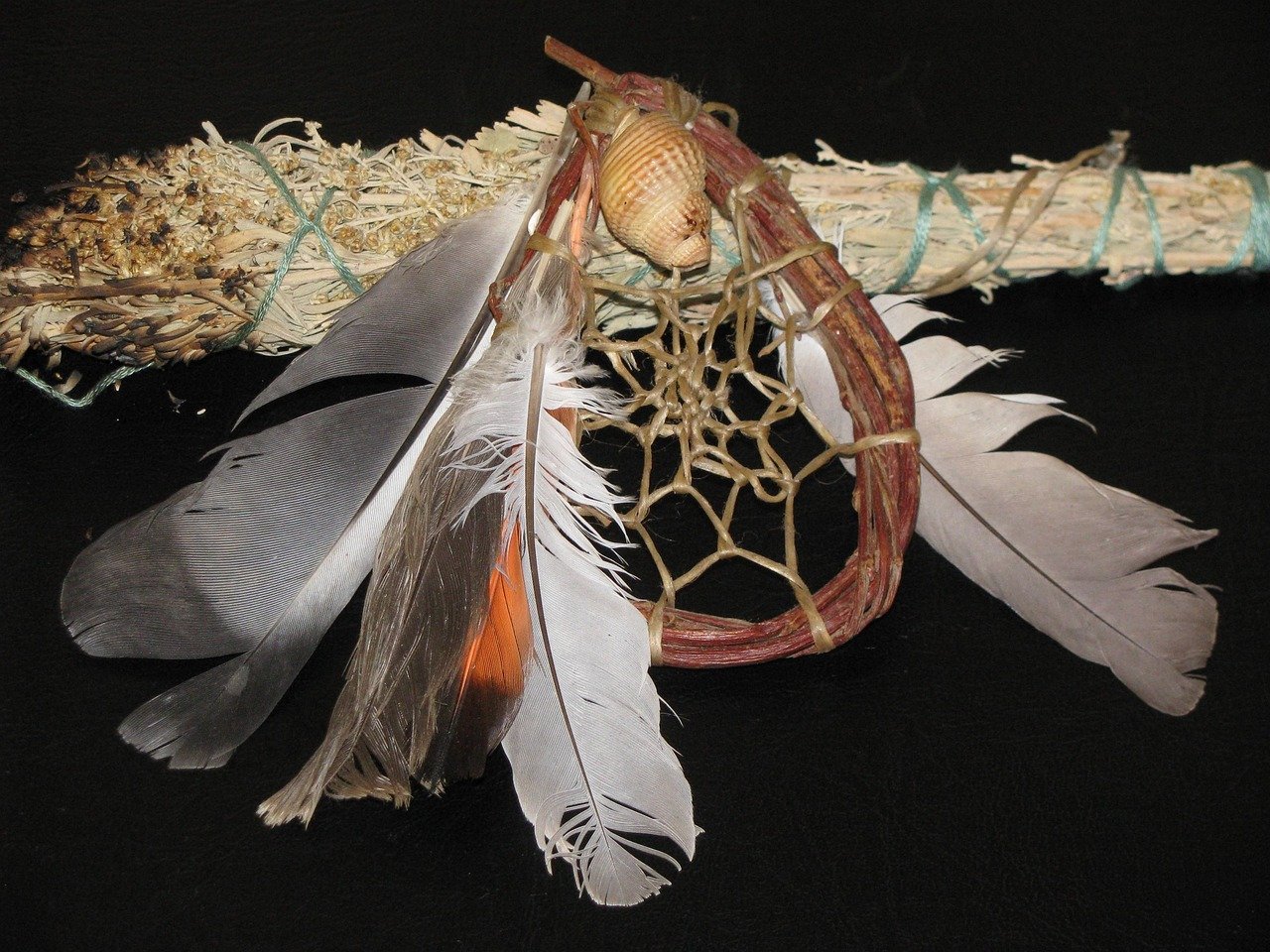
The Power of Connection in Native American Death Traditions and Digital Memorials
Community and connection are pillars of Native American death traditions. Grief is rarely a solitary experience; it is shared, supported, and processed collectively. This communal aspect is precisely what I believe makes digital memorials so powerful today. Memories of Life fosters this sense of collective remembrance, allowing family and friends from anywhere in the world to contribute stories, photos, and condolences. This becomes particularly meaningful for families spread across vast distances, enabling everyone to participate in a shared grieving and healing process, much like the shared experience in Native American death traditions.
The integration of family tree connections on Memories of Life also resonates deeply with the reverence for ancestral lineages found in many indigenous cultures. I often think about how much my own family history affects who I am. To be able to link digital memorials, creating a network of remembrance that traces generations, is a profoundly respectful way to honor a complex family heritage, echoing the importance of lineage in Native American death traditions. This feature helps preserve not just individual stories, but the broader narrative of a family's journey, ensuring that the roots of their identity are never forgotten.
- Shared Storytelling: Family members can upload their own anecdotes, creating a rich collection of memories.
- Global Accessibility: Loved ones living far away can easily access and contribute to the memorial.
- Time-Locked Messages: Write messages today that will unlock for future generations, a modern spin on oral traditions.
- AI Condolence Assistant: Offers gentle prompts and suggestions for those struggling to find the right words, fostering meaningful engagement.
Preserving Legacy Through Digital Remembrance
Preserving history is not just about remembering the past; it's about acknowledging its continuous impact on the present and future. For many Indigenous communities, keeping traditions alive is an act of resistance and resilience. A digital memorial created on Memories of Life provides a permanent archive, ensuring that the legacy, wisdom, and stories of a loved one can be passed down without fear of being lost to time, much like the enduring nature of Native American death traditions. These free forever memorial pages mean there's no expiry date on remembrance.
I remember gathering old photographs and letters after my grandmother passed. It was overwhelming. Our intuitive platform makes it simple to not only store these precious items but to organize them, add context, and ensure they are preserved securely. The premium Celestial Upgrade offers even more advanced features, allowing for greater customization and richer multimedia integration, truly elevating the tribute to a lasting work of digital artistry. This focus on long-term preservation offers peace of mind to families who want to ensure their loved one's story remains accessible.
Central to many tribal traditions are the intricate Native American beliefs about afterlife, which often involve a spirit world and a continuing connection with the living.
The Comfort of Expressing Unspoken Farewells
Many Native American death traditions include ceremonies that provide opportunities for expression, for community members to share memories and offer comfort. For those whose traditions encourage a more private path, or for those whose lives were cut short, farewell writing is crucial. It's an intimate process that allows for a personal expression of love, grief, and regret. I have felt the weight of unspoken words, the lingering "what ifs." Writing helps to lift some of that burden, transforming internal dialogue into a tangible reflection.
Whether it's a letter penned in careful solitude, or a message shared on a digital memorial, these words become a balm for the grieving heart. They are a declaration that the person mattered, that their life had meaning, and that their presence continues to be felt. The ability to express these thoughts, even if metaphorical, contributes to emotional healing and provides a sense of closure. I've found immense solace in writing, articulating thoughts I didn't even realize I carried, especially when trying to come to terms with the finality of loss. It's a powerful way to continue those relationships, even when the person is gone.
From sunrise ceremonies to purification rites, Indigenous mourning rituals provide solace and guide the spirit's journey.
Embracing the Future of Remembrance with Respect
The beauty of modern memorialization, particularly with platforms like Memories of Life, is its capacity to respect and integrate diverse cultural approaches to loss. While traditional ceremonies hold immense spiritual weight, a well-designed digital memorial can complement these practices, extending their reach and ensuring their permanence. For families navigating the complexities of modern life while holding sacred ancient customs, our platform offers a respectful solution, understanding the nuances of Native American death traditions.
I think of the countless lives lived, each one a universe of experience. An estimated 2.5 million people die in the United States each year, and each of those numbers represents a profound personal loss. [This stark reality underscores the universal need for thoughtful remembrance](https://www.cdc.gov/nchs/fastats/deaths.htm). Memories of Life strives to meet this need, offering a space where every story can be told, every memory honored, and every farewell, whether spoken or written, can find its place. If you're considering how to preserve the unique story of your loved one, or exploring ways to honor their memory through thoughtful tributes, our free forever memorial pages are designed to provide that sacred space. It's an opportunity to create a tribute that respects the past while providing comfort for the future, helping to ensure that the spirit of those we love endures, much like the enduring spirit found in Native American death traditions.
These traditions underscore the enduring power of religious goodbye traditions in providing comfort and continuity during loss.
Navigating these sacred practices requires a deep appreciation for cultural sensitivity in memorial services, ensuring respect for ancestral ways.
From traditional wakes to specific ceremonial practices, diverse Native American funeral customs reflect the unique heritage of each nation.
These distinct customs underscore the rich tapestry of global farewells and their place within broader religious goodbye traditions.
Navigating loss within these contexts requires culturally sensitive approaches, making specialized grief support for Indigenous communities an invaluable resource.
For those tasked with speaking at a service, learning how to write a eulogy for Native American traditions involves a deep respect for storytelling, lineage, and the spiritual significance of the individual's life.
Learn more about meaningful farewells in our guide to Religious Goodbye Traditions: Faith, Culture & Lasting Farewells.