Embracing the Echoes of Farewell Across Asia
Losing someone we love is universally heartbreaking, a truth that transcends cultures and geographies. I've felt that specific ache, the one that tells you a piece of your world has shifted irrevocably. Walking alongside friends from diverse backgrounds, I've come to appreciate how different cultures navigate this profound human experience, each with its unique rituals that speak to a collective understanding of life and loss. When we look at Asian death traditions, we discover a deep reverence for ancestors, a meticulous approach to mourning, and a powerful sense of community that guides families through their darkest hours. These traditions aren't just ancient customs; they are living expressions of respect, love, and the enduring connection between the living and the departed. To embrace these profound Asian death traditions further, consider Religious farewell traditions. When we look at Asian death traditions , we discover a deep reverence for ancestors, a meticulous approach to mourning, and a powerful sense of community that guides families through their darkest hours. These traditions aren't just ancient customs; they are living expressions of respect, love, and the enduring connection between the living and the departed. To embrace these profound Asian death traditions further, consider Religious farewell traditions.
My own journey through grief has taught me that while the pain is deeply personal, the solace often comes from shared rituals and the framework of community. For those seeking to better understand their own experience, exploring the stages of grief can offer valuable insights. Discovering how families in China, Japan, and Korea approach farewells has been incredibly moving. It's a reminder that we are not alone in our sorrow and that there are profound ways to honor those who have shaped us. If you're navigating a loss and seeking a way to encapsulate those precious memories and legacies, creating meaningful tributes can be a powerful step towards healing. Memories of Life offers a compassionate space to build these Meaningful father remembrance words, ensuring that the stories and spirits of our loved ones continue to shine. Many also find comfort in exploring diverse Asian death traditions to inform their memorial choices. Explore interactive ways to remember your loved one through various digital options. My own journey through grief has taught me that while the pain is deeply personal, the solace often comes from shared rituals and the framework of community. For those seeking to better understand their own experience, exploring the stages of grief can offer valuable insights.
When confronting the finality of loss, finding the right crafting farewell messages for a loved one can be a poignant part of the grieving process, helping to express unspoken sentiments.
Beyond China and Japan, exploring Korean funeral customs and rituals reveals another rich tapestry of practices, often emphasizing filial piety and community support during times of loss. Learning about these diverse approaches can broaden our understanding of how different cultures navigate grief and remembrance.
Exploring the nuances of cultural significance of Asian funerals reveals a deep commitment to collective remembrance and shared grief.
The intricate details of Korean funeral customs and rituals often reflect a deep respect for elders and a belief in the continuity of family.
Beyond China and Japan, exploring Korean funeral customs and rituals reveals another rich tapestry of practices, and delving into Japanese death rituals and beliefs offers even more profound insights into how cultures approach the transition from life to death, often emphasizing harmony and purity. Learning about these diverse approaches can broaden our understanding of how different cultures navigate grief and remembrance.
Honoring Chinese Ancestors: A Legacy of Respect and Ritual
In Chinese culture, the concept of filial piety extends far beyond life, manifesting strongly in the desire to honor Chinese ancestors through intricate death and funeral rites. I've always been struck by the profound respect shown to elders and how this reverence continues through generations. This isn't just about remembering a name; it's about maintaining a spiritual connection, ensuring the well-being of the deceased in the afterlife, and seeking their blessings for the living. The importance of preserving these family stories for future generations cannot be overstated, particularly when striving to honor Chinese ancestors. The rituals are a meticulous tapestry woven with historical significance and deep familial bonds, reflecting a commitment to honor Chinese ancestors. The importance of preserving these family stories for future generations cannot be overstated, particularly when striving to honor Chinese ancestors .
Funeral ceremonies often feature a distinct blend of Buddhist, Taoist, and folk religious influences, depending on the family's specific beliefs. I recall learning about the importance of geomancy, or Feng Shui, in selecting an auspicious burial site, believing it can bring prosperity to descendants. The timing of the funeral itself is often determined by a diviner, ensuring harmony with cosmic forces. For me, witnessing this level of devotion highlights the idea that every detail, every gesture, is an act of profound love and duty, all designed to honor Chinese ancestors.
Key Phases in Chinese Funeral Practices:
- Wake and Mourning Clothes: The wake, or "shou ling," can last for several days, allowing family and friends to pay their respects and honor Chinese ancestors. Mourners traditionally wear specific colors, with white being primary for close relatives, symbolizing purity and rebirth, though black is also common today. The intensity of grief is often openly expressed through wailing, which to an outside observer might seem overwhelming, but it's a culturally accepted form of release, integral to how they honor Chinese ancestors.
- Cremation vs. Burial: While burial was historically preferred to keep the body intact for ancestor veneration, ensuring a way to honor Chinese ancestors, cremation is becoming more commonplace due to limited land and modern practices, particularly in urban areas. However, even with cremation, the ashes are carefully handled and often interred in columbariums that mimic traditional grave sites, designed to facilitate ongoing veneration and continue to honor Chinese ancestors. The focus remains on providing a dignified final resting place.
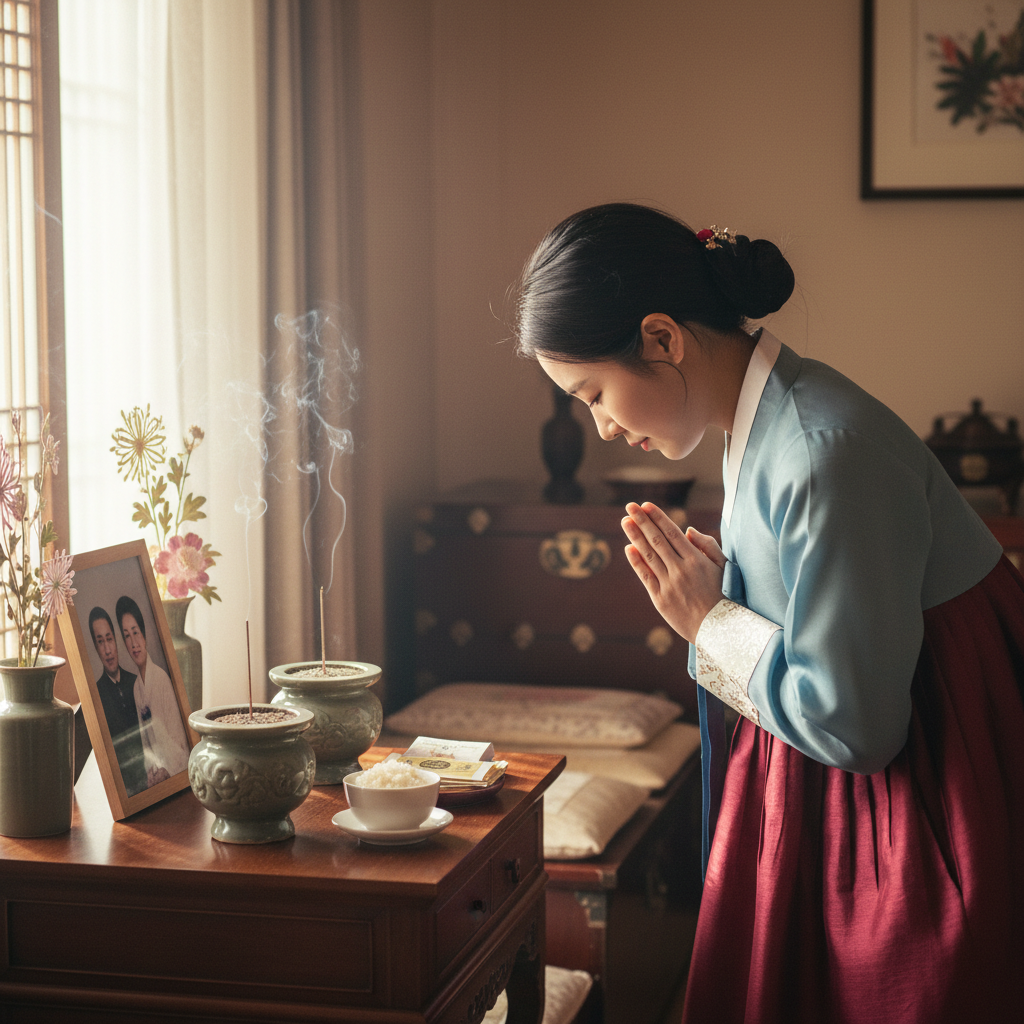
- Offerings and Ancestor Worship: A cornerstone of how individuals honor Chinese ancestors involves elaborate offerings. This includes burning "joss paper" (paper money, houses, cars, electronics) so the deceased can use them in the afterlife. Food offerings, incense, and prayers are regularly made, especially during significant festivals like the Qingming Festival (Tomb-Sweeping Day) and the Chongyang Festival (Double Ninth Festival), reinforcing efforts to honor Chinese ancestors. These practices reinforce the spiritual ties between generations, ensuring that ancestors are never forgotten and their influence continues, reflecting a deep desire to honor Chinese ancestors.
- Post-Funeral Rites: The mourning period typically lasts 49 days, influenced by Buddhist beliefs, with certain rituals performed every seven days. A 100-day ceremony and a three-year mourning period often mark significant milestones, gradually returning the family to normalcy while sustaining the remembrance and continuing to honor Chinese ancestors.
The dedication to these traditions speaks volumes about the collective memory and intergenerational connection that defines Chinese family life, perpetually seeking to honor Chinese ancestors. It's a beautiful and complex system that ensures the deceased remain an active, albeit spiritual, part of the family unit, constantly influencing the living, a profound way to honor Chinese ancestors.
This commitment to ancestor veneration, often referred to as Chinese ancestral worship practices, ensures that the deceased remain an active, albeit spiritual, part of the family unit, constantly influencing the living.
Understanding Korean Funeral Customs: A Path of Filial Piety and Community
When I think of Korean funeral customs, I envision a profound emphasis on filial piety and the collective support of family and community. The grief I've seen expressed within Korean families is deeply felt, yet also highly structured, providing a roadmap through the immediate aftermath of loss. It’s a culture where actions speak volumes, and every ritual is imbued with meaning, designed to show ultimate respect to the departed and comfort to their loved ones. I've felt personally affected by the dedication involved in these Korean funeral customs, recognizing the deep love underlying each step.
The profound respect embedded in filial piety in Asian death traditions underscores the enduring bond between generations.
The traditional Korean funeral customs, known as "Jangnye-sik," is typically held over three days, though variations exist. This period allows ample time for family, friends, and even colleagues to visit, offer condolences, and provide practical support. What struck me most acutely is the strong sense of communal responsibility – it's not just the immediate family grieving, but an entire network of people rallying around them. This comprehensive support system provides immense solace, something I've learned is crucial in the darkest hours of bereavement, highlighting the strength of Korean funeral customs.
Exploring Asian cultural practices for mourning reveals a tapestry of unique ceremonies and expressions of sorrow, each designed to guide the bereaved through loss.
Elements of Korean Funeral Rites:
- The Wake (Binso): The wake is usually held at a funeral hall, which provides dedicated spaces for families following Korean funeral customs. Upon arrival, visitors bow deeply to the deceased's portrait and then to the grieving family, offering a monetary gift (usually in a white envelope) to help with funeral expenses. I've seen firsthand how this act of collective contribution eases the practical burdens during a time of immense emotional strain, allowing families to focus on their grief within these Korean funeral customs.
- Cremation and Burial Preferences: Historically, burial in a family plot was the norm, often in picturesque, elevated locations chosen through geomancy to ensure good fortune. However, similar to other Asian death traditions, cremation is now prevalent in Korean funeral customs, especially in dense urban areas, due to space constraints and environmental considerations. Ashes are often interred in columbariums or occasionally scattered in meaningful locations, though the latter is less common than in some other cultures. The underlying principle remains providing a respectful and permanent resting place, central to Korean funeral customs.
- Mourning Attire: Traditional mourning attire for Koreans is somber, typically black or white, a key part of Korean funeral customs. Close family members wear specific armbands or ribbons to denote their relationship to the deceased. Today, while traditional robes might still be seen, Western-style black suits and dresses are common. I think the uniformity in dress serves as a visual expression of collective sorrow and solidarity, binding everyone together in their shared experience of loss, a poignant aspect of Korean funeral customs.
- Food and Drink: Simple, often vegetarian, food and drinks are offered to visitors at the wake as part of Korean funeral customs. It's a gesture of hospitality but also serves as a way to sustain those who are grieving and those who have traveled to pay their respects. These shared meals in the space of bereavement create a quiet intimacy, reflecting shared sorrow and mutual support, which is often found in various Asian death traditions overall.
- Post-Funeral Memorials: After the burial or cremation, memorial services are held at specific intervals – often on the 3rd, 49th, or 100th day, and then annually, a consistent element of Korean funeral customs. These services, usually performed at home or a Buddhist temple, involve prayers, food offerings, and reflections on the departed. The commitment to these ongoing memorial events underscores the belief that the connection with the deceased is not severed but transformed, continuing to enrich the lives of the living, a profound aspect of Korean funeral customs.
What I find particularly resonant about Korean funeral customs is the profound sense of reverence and collective care. It's a culture that truly understands that grief is a communal burden, and that supporting one another through these difficult times is paramount. For anyone looking to create an Virtual funeral options that reflects this deep familial respect, Memories of Life offers features like family tree connections and collaborative memory sharing, allowing multiple generations to contribute to a shared legacy that aligns with the spirit of Korean funeral customs.
Japanese Farewell Rituals: Embracing Serenity and Impermanence
My exploration of Asian death traditions also led me to the nuanced and serene funeral rituals of Japan. The predominant influence here is Buddhism, shaping a perspective on death that emphasizes impermanence, cycles of rebirth, and a peaceful transition. I've always been moved by the quiet dignity and meticulousness of Japanese funerals, which often feel like a gentle guiding of the soul towards its next journey. There's a profound artistic quality to the ceremonies, reflected in every custom and gesture, truly embodying the essence of Asian death traditions.
The traditional Japanese funeral process, or "Ososhiki," typically spans two days. The first day involves a wake (otsuya), and the second is the funeral service and cremation. The process is highly ritualized, designed to ensure the peaceful passage of the deceased into the spiritual realm and to provide comfort and closure for the grieving family. Throughout the entire process, I sense a deep honor for the journey of life and the transition into what comes next, a characteristic across many Asian death traditions.
Key Aspects of Japanese Funeral Customs:
- The Wake (Otsuya): The wake is held on the evening after death, often at the family home or a funeral hall. Relatives and close friends attend, offering incense (o-kō) and prayers. A monk typically leads the chants and performs rituals. Guests usually present monetary gifts wrapped in special envelopes (kōden) to the family, similar to Korean funeral customs, as a way to alleviate financial burdens. The atmosphere is generally quiet and reflective, a stark contrast to some more outwardly expressive mourning traditions I've observed, yet still part of the broader tapestry of Asian death traditions.
- The Funeral Service and Cremation: The main funeral service takes place the following day. It is often a Buddhist ceremony involving more chanting, prayers, and a eulogy. After the service, the coffin is transported to a crematorium. A unique and poignant custom I learned about is "kotsuage," where family members use chopsticks to pick up bone fragments from the cremated remains and place them in an urn. This act is a final, intimate farewell, symbolically moving their loved one to their final resting place, a beautiful component of Asian death traditions.
- Urn and Grave: The urn containing the ashes is usually kept at home for a period, often 49 days, before being interred in a family grave at a cemetery. Gravestones are meticulously maintained reminders of the deceased, visited regularly for cleaning and offerings, particularly during the Obon festival. The preservation of memorial sites is deeply ingrained, echoing the respect found in many Asian death traditions.
- Mourning Period and Memorial Services: The formal mourning period for Japanese families traditionally lasts 49 days (shijukunichi), during which weekly memorial services are held by the family with a Buddhist priest. This period culminates in a significant ceremony marking the end of the initial mourning and the beginning of the deceased's journey as an ancestor. Subsequent services are held on particular anniversaries, such as the first, third, seventh, and thirteenth years, ensuring ongoing remembrance and spiritual support, a common thread in Asian death traditions.
- Obon Festival: Obon is a major Buddhist festival celebrated in summer, where families return to their ancestral homes to clean graves, offer prayers, and welcome the spirits of their ancestors back for a visit. It's a vibrant and heartfelt expression of connection across the veil, a time for joyous remembrance that brings families together in shared gratitude, mirroring the spirit of many Asian death traditions.
The grace and quiet strength inherent in Japanese farewell rituals illustrate a culture deeply attuned to respect, order, and the spiritual continuation of life. It's a process that thoughtfully guides families through their grief while perpetually honoring the memory of those who have passed. Creating a lasting digital tribute with Memories of Life can complement these traditions, providing a space for extended family, both near and far, to share stories and photos, keeping the flame of remembrance burning brightly, especially when reflecting on the rich tapestry of Asian death traditions. My experience seeing these intricate Asian death traditions has truly opened my eyes to the diverse ways humanity copes with loss. It underlines a universal human need to honor, remember, and connect with those who have left us. Whether it's the profound ancestral veneration in China, the communal support in Korean funeral customs, or the serene Buddhist philosophy of Japan, each tradition offers powerful lessons in navigating grief. We don't always get the chance to say everything we want to say before someone is gone, and I know the regret that lingers from unspoken words. That's why I believe platforms like Memories of Life are so important. They give us a chance to write those goodbye letters that may never be read aloud, to compile those photos that tell a story, and to build a digital space where stories of love, laughter, and wisdom can live on.
Crafting a Digital Legacy: Bridging Tradition with Modern Remembrance
In our increasingly connected world, the desire to honor our loved ones remains as strong as ever, even as the methods evolve. I've seen firsthand how digital tools can help bridge geographical distances and generational gaps, allowing families to collaborate on a collective memory. For those who deeply value ancestral reverence and wish to extend their traditions into the digital sphere, a platform like Memories of Life offers an intuitive and enduring solution for online tribute platforms, particularly useful when considering diverse Asian death traditions. It's not about replacing traditional ceremonies, but rather enhancing them, creating an accessible, permanent tribute that complements existing customs, aligning with the spirit of all Asian death traditions.
From elaborate ceremonies to quiet contemplation, Korean funeral customs and rituals offer unique expressions of mourning and honor.
Consider the benefits of a digital memorial in the context of these rich traditions, acknowledging the nuances of Asian death traditions:
- Global Accessibility: Family members living abroad, who might not be able to attend physical ceremonies, can still participate in the remembrance, sharing memories and offering condolences. This is particularly vital for diasporic communities wishing to connect with their heritage and practice specific memorialization customs, allowing for seamless global access to shared memories, fostering connection with Asian death traditions.
- Permanent Archiving: Traditional photos and stories can fade or get lost. A digital memorial securely preserves these precious assets forever. Memories of Life offers free forever memorial pages, meaning your family's legacy is protected without ongoing costs, a commitment to enduring remembrance for all Asian death traditions.
- Collaborative Storytelling: Family members from all generations can contribute stories, photos, and videos, creating a richer, multi-faceted narrative of the beloved's life. This encourages family storytelling, ensuring that even the quietest voices can share their memories, transforming private grief into a collective act of love. Moreover, our intuitive interface ensures memorial site ease of use for everyone, regardless of technical proficiency, resonating with the importance of family in Asian death traditions.
- Modern Features for Deep Connection: Features like our AI Condolence Assistant can help visitors craft heartfelt messages, ensuring that every expression of sympathy is thoughtful. Time-locked messages allow individuals to schedule messages for future anniversaries or milestones, delivering comfort and connection precisely when it's needed most, thereby ensuring an ongoing connection, which is a hallmark of many Asian death traditions.
- Family Tree Integration: For cultures that prioritize ancestral connections, the ability to link memorials through a digital family tree strengthens the sense of heritage and lineage, allowing for a comprehensive ancestral reflection. This fosters a deeper understanding of one's roots and the individuals who paved the way, an essential aspect found in many Asian death traditions, including those stemming from Korean funeral customs and the ways we honor Chinese ancestors.
The truth is, we all carry our grief differently, but we also share a common yearning to keep the flame of memory alive. I've found that the act of creating a space, whether physical or digital, where those memories can live and breathe, is incredibly therapeutic. It's an act of love, a final goodbye that becomes an eternal hello. Memories of Life understands this profound need, offering a platform where you can meticulously craft a fitting tribute. You can start honoring their memory today by creating a tribute page that reflects the beauty and depth of your shared history. Our commitment to ensuring the preservation of memorial sites allows these invaluable family narratives to persist indefinitely, upholding the values present in all Asian death traditions.
Understanding grief and loss in Asian societies often requires appreciating the communal support structures and philosophical underpinnings that shape the mourning process.
As I continue to reflect on the depth and beauty of Asian death traditions, from the intricate ways we honor Chinese ancestors to the heartfelt community found in Korean funeral customs, I'm continually reminded of the enduring power of love and remembrance. These traditions, ancient yet ever-present, show us that while grief may be an isolating path, it is often traversed with the profound support and collective wisdom of those who have come before us and those who walk beside us. Creating a digital memorial isn't just about technology; it's about weaving new threads into the rich tapestry of human remembrance, ensuring that every story, every laugh, and every cherished moment is preserved for generations to come, truly embodying the spirit of Asian death traditions whether through Korean funeral customs or by striving to honor Chinese ancestors.
These traditions, alongside others, form a rich tapestry of religious goodbye traditions across the globe.
Gaining a deeper understanding Asian views on death can enrich our perspectives on loss and the journey beyond.
Understanding the intricate details of Chinese ancestral worship practices provides insight into the spiritual landscape of Asian cultures.
These diverse customs highlight the universal human need to mourn and remember, reflecting the broader tapestry of religious goodbye traditions found across the globe.
The profound ways how Asian cultures honor the deceased often involve ancestral altars, food offerings, and specific rituals performed at various anniversaries.
From elaborate ceremonies to solemn processions, traditional Asian burial rites are imbued with symbolic meaning, guiding the departed to the afterlife with reverence.
Learn more about meaningful farewells in our guide to Religious Goodbye Traditions: Faith, Culture & Lasting Farewells.