TL;DR
- Memorial practices have evolved from physical rituals to hybrid and digital forms, reflecting social change and advancing technology.
- Cultural remembrance now includes online tribute platforms, virtual remembrance events, and community-driven rituals.
- Practical steps: preserve photos, use memorial privacy controls, try time-locked messages, and consider interactive memorials for legacy preservation.
Introduction - a shifting human need
Human beings have always found ways to remember. When rituals feel unfamiliar or overwhelming you might look for a way that fits your family, faith, or personal style. The concept of cultural remembrance helps explain why memorials change - they reflect shifts in values, technology, and how communities hold memory.
The concept of cultural remembrance traditions helps explain why memorials change – they reflect shifts in values, technology, and how communities hold memory. This ongoing transformation allows for remembrance to adapt to modern life while still honoring tradition.
Among these innovations, online tribute pages for deceased individuals have emerged as a compassionate and accessible way to honor and remember loved ones, allowing for a collection of memories to be shared globally.
In this article we trace the arc from stone markers and family altars to online memorials and interactive memorials. We discuss practical approaches to memorial site ease of use, digital remembrance design, and how Memories of Life supports families through these transitions. This article can have UP TO 5 new links (currently has 0 internal links, cap is 6). creating a lasting tribute
Understanding the broader cultural shifts, it's clear that the evolution of memorial practices isn't just about new technologies, but also about changing societal values and needs. This ongoing transformation allows for remembrance to adapt to modern life while still honoring tradition.
How cultural remembrance looked in the past
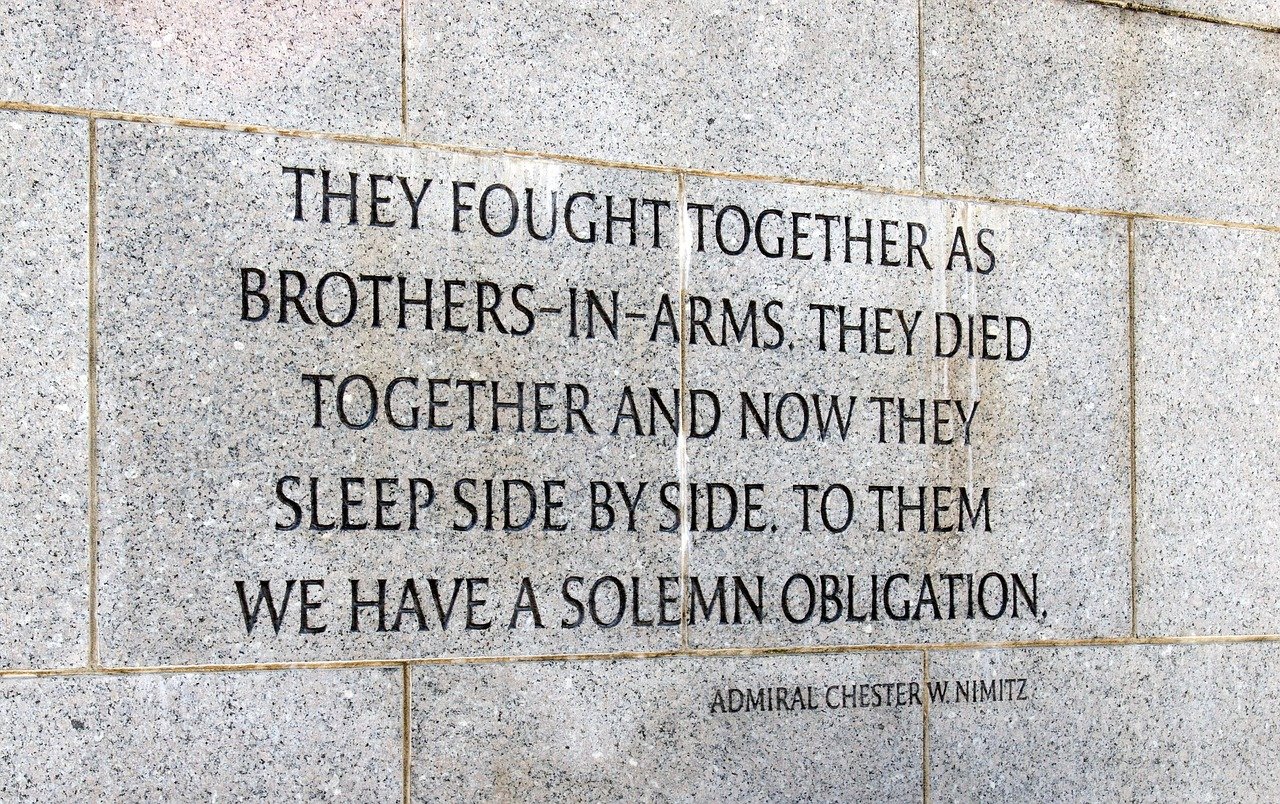
Early memorial practices were tangible and local. People carved names on stone, kept personal keepsakes in boxes, or gathered yearly at a graveside. Those physical acts anchored memory in place - in a town square, a family home, or a churchyard. The language of grief was shared in rituals and ceremonies that reinforced community remembrance.
Exploring the evolution of memorialization, from ancient rituals to modern platforms, highlights how families are increasingly seeking interactive memorials for legacy building.
Modern advancements in technology have also paved the way for innovative remembrance, allowing families to connect globally through virtual memorial services, ensuring no one grieves alone.
Those older practices prioritized long-term archival photos, letters, and objects that could be passed down. Memory was something you visited - a place you returned to. Today we still return to places of memory, but the locations are expanding.
Industrialization and standardization of memorials
As cities grew and lives became less local, funerary practices standardized. Cemeteries became organized, laws shaped burial practices, and memorial design shifted toward permanence and public record. This era brought formal grave markers, obituaries in newspapers, and public rituals that expressed shared values.
At the same time communities developed systems for preserving records - an early form of legacy preservation. Family tree connections mattered in a legal and emotional sense as people sought to maintain lineage in an increasingly mobile world. documenting family memories
The digital turn - new forms of remembering
Then came the internet. Suddenly memory could be stored offsite and shared across distance. Virtual remembrance ceremonies introduced new possibilities: you could combine archival photos, video tributes, and written stories in one living space. Online tribute platforms enabled friends in different time zones to participate in a memorial at once. The digital turn - new forms of remembering Then came the internet. Suddenly memory could be stored offsite and shared across distance. Digital memorials introduced new possibilities: you could combine archival photos, video tributes, and written stories in one living space. Online tribute platforms enabled friends in different time zones to participate in a memorial at once. Digital remembrance design matters because a memorial should feel like the person it honors - not like a corporate profile. Features like memorial customization options, memorial privacy controls, and mobile-friendly designs make it possible to create spaces that are both secure and expressive. Memories of Life offers free forever memor Online tribute platforms enabled friends in different time zones to participate in a memorial at once. Digital remembrance design matters because a memorial should feel like the person it honors - not like a corporate profile. Features like memorial customization options, memorial privacy controls, and mobile-friendly designs make it possible to create spaces that are both secure and expressive, offering a variety of interactive tribute options.
Digital remembrance design matters because a memorial should feel like the person it honors - not like a corporate profile. Features like memorial customization options, memorial privacy controls, and mobile-friendly designs make it possible to create spaces that are both secure and expressive.
Memories of Life offers free forever memorial pages with unlimited photos and stories and premuim Celestial Upgrade options for video tributes, custom memorial effects, and no branding. That combination of memorial site ease of use and advanced legacy features helps families craft a tribute that fits how they remember.
Community-driven and interactive memorials
Cultural remembrance today often moves beyond private family rituals. Community remembrance - from social media vigils to local town events - shows how memory can be collective and participatory. Interactive memorials bring this further. They allow people to leave messages, pin memories on a globe, or add to a memory timeline that aggregates moments from many contributors.
Those features support intergenerational connection by making it easy for younger family members to contribute photos or for distant relatives to leave time-locked messages. Time-locked messages are especially meaningful when people want to send words for future anniversaries or milestones.
Rituals that survived and rituals that emerged
Some traditions endure. Annual commemorations, candles, and graveside gatherings continue to matter because they provide rhythm and predictability when grief is otherwise uneven. Other rituals have adapted - a family that once left flowers may now upload a curated slideshow and host a virtual remembrance service where friends join over streaming video.
Video tributes and virtual remembrance events have become more common. They let people who cannot travel participate, and they create shared moments that can be revisited. For many families, blending the physical and the digital feels right - a hybrid approach that combines ceremony with accessibility.
Practical steps for creating meaningful memorials today
- Preserve archival photos and stories in a single place - redundant backups help ensure long-term access.
- Choose a platform that emphasizes memorial privacy controls and clear options for sharing - some memories are public, some are for family only.
- Think about digital legacy management - who can access accounts, who will maintain the memorial over time.
- Use memorial customization options to reflect personality - color, fonts, and multimedia can make a memorial feel specific to one life.
- Consider time-locked messages and community remembrance tools to sustain connection over anniversaries.
Memories of Life makes these steps practical. Our platform supports family tree connections, an intuitive memory timeline, and easy tools for adding photos and tributes. You can start free and upgrade to Celestial if you need video tributes or custom effects.
Design, ethics, and accessibility in modern remembrance
Design choices shape how memory is experienced. Good digital remembrance design balances emotional tone with legibility and accessibility. Memorial site ease of use matters especially when people are grieving - complicated interfaces get in the way of remembering.
In today's interconnected world, many are discovering the profound impact of creating a meaningful digital memorial to honor loved ones across distances and generations.
Ethics also play a role. Memorial privacy controls and clear options for legacy preservation help families exercise control while honoring consent and dignity. Some families choose to keep a memorial private for a period before making it public - that flexibility is part of respectful cultural remembrance.
The digital era fundamentally reshaped how we honor the departed, prompting an exploration into how technology changed remembrance, offering new avenues for connection and legacy building.
Accessibility ensures that memorials are readable to people with visual or motor impairments and that mobile users can participate. Memories of Life prioritizes mobile-friendly design and accessibility so more people can engage with community remembrance.
Cases and micro-observations - what I notice when families create memorials
A few patterns stand out. People often begin with a single photo and a short story and then watch the memorial grow as others add memories. The act of contributing - whether a comment, a photo, or a video - becomes its own ritual. That accumulation of small acts changes how cultural remembrance works - it becomes ongoing rather than fixed.
Another observation is that families appreciate memorial site ease of use. When adding photos or setting memorial privacy controls is simple, people do it more readily. The opposite is also true - clunky memorial customization options discourage contributions. That is why platform design choices matter.
How to choose tools that support legacy preservation
Look for platforms that combine ease of use with robust digital legacy management. Features to consider include family tree connections, archival photo support, time-locked messages, and options for video tributes. Community remembrance features - like memorial anniversary notifications - also help keep memory alive.
Memories of Life brings these features together. You can create a free memorial, use family tree connections to map relationships, and schedule time-locked messages that arrive on anniversaries. If you want enhanced media support, Celestial gives you video tributes and custom memorial effects.
Key Takeaways
- Cultural remembrance has moved from place-based rituals to hybrid and digital forms.
- Online tribute platforms and virtual remembrance enable wider participation and lasting access.
- Choose memorial sites with good memorial site ease of use, privacy controls, and legacy preservation features.
- Use archival photos, the memory timeline, and video tributes to tell a fuller life story.
- Community remembrance and interactive memorials can strengthen intergenerational bonds.
FAQ
Q: What is cultural remembrance and why does it matter?
A: Cultural remembrance is the set of practices, rituals, and shared behaviors a community uses to remember. It matters because those practices shape how we grieve, celebrate, and pass on memory.
Q: How do I keep my memorial private but still invite family contributions?
A: Use memorial privacy controls and invite-only links. Many platforms let you set permissions for who can view or add content, making community remembrance possible while protecting sensitive stories.
Q: Are digital tributes permanent?
A: Permanence depends on the platform and your own backups. Look for platforms that offer archive and export options and clear policies on data retention as part of digital legacy management.
Observing how various cultures, such as those with Asian Death Traditions, adapt their remembrance practices offers insight into modern ways to honor loved ones while respecting heritage.
Q: Can I combine physical memorials with virtual remembrance?
A: Yes. Hybrid memorials are common. For example a graveside ceremony might include a QR code linking to an online tribute where people can leave messages or watch a video tribute.
When considering online platforms for memorialization, the memorial site ease of use becomes a critical factor for families navigating grief, ensuring accessibility for all who wish to contribute.
Q: What should I prioritize when creating a memorial online?
A: Prioritize ease of use, privacy settings, archival photos, and options for multimedia. A platform that supports family tree connections, time-locked messages, and community remembrance features covers most needs.
I often end these pieces thinking about the small gestures that keep a life present - a saved recipe, a voicemail, a photograph tucked into an album. Cultural remembrance is not only about monuments or profiles. It is about the ongoing acts of memory that communities choose to preserve.
If you are starting a memorial you might begin with a single photo and a short story. On Memories of Life you can build from there - invite family, add to a memory timeline, and use time-locked messages to reach forward. The way we remember will continue to change, but the impulse to keep someone present does not.
Take your time, trust the small steps, and choose tools that respect privacy, accessibility, and the particular shape of your family stories.
Understanding the deep-rooted connections between belief systems and how we remember those who have passed offers a broader perspective on Religious Goodbye Traditions.
As memorial options evolve, the focus often turns to user experience, with many families prioritizing memorial site ease of use to ensure accessibility for all who wish to contribute or visit.
The shift towards digital platforms has made preserving memories online an accessible and enduring method for families to keep the stories of their departed alive.
These evolving practices often intersect with deeply rooted customs, highlighting the rich tapestry of beliefs explored further in Religious Goodbye Traditions.
The profound act of establishing a lasting digital presence for a loved one involves careful consideration of design and content, emphasizing the importance of creating a meaningful digital memorial that truly reflects their spirit.
In an increasingly connected world, online tribute pages for deceased offer a central gathering space for shared memories, heartfelt messages, and cherished photographs, transcending geographical boundaries.
Learn more about meaningful farewells in our guide to Religious Goodbye Traditions: Faith, Culture & Lasting Farewells.