
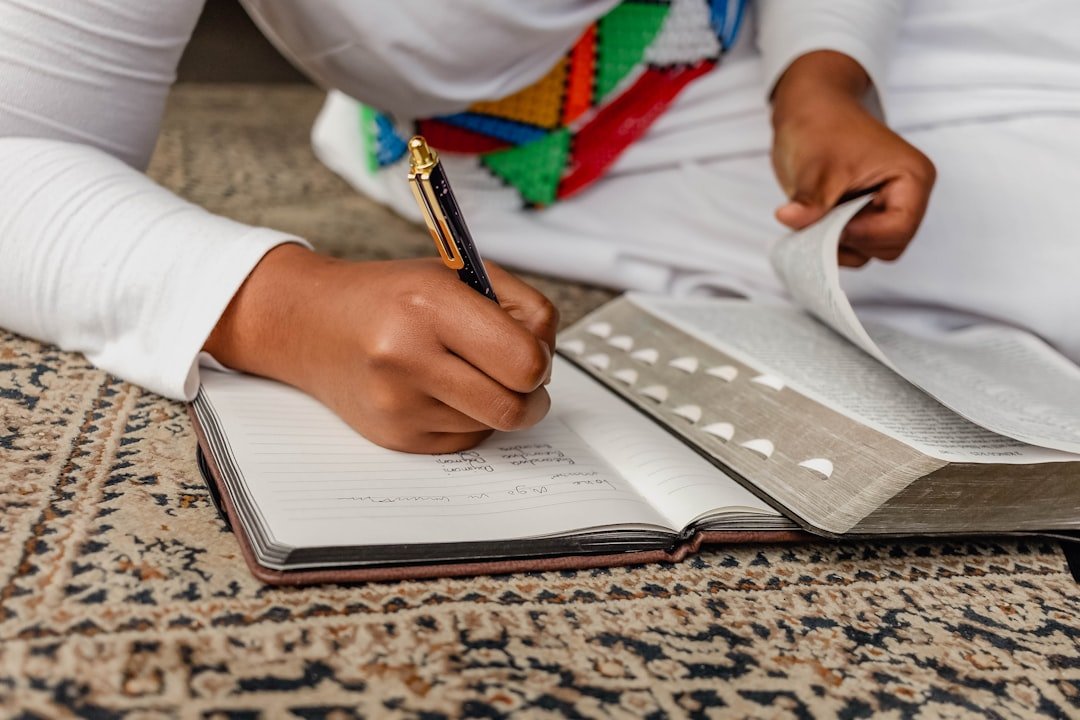
When Grief Touches Young Hearts: Saying Goodbye Through Writing
I remember the quiet ache as a child, trying to make sense of a world that suddenly felt… emptier. Losing someone is never easy, but when grief in children enters the picture, it can feel like a particularly heavy burden. I've navigated my own losses, and I've seen firsthand how bewildering it can be for young ones. They often lack the words, the framework, or even the permission they think they need to express the tidal wave of emotions washing over them. We, as adults, often try to shield them, but sometimes, protecting them too much also means preventing their natural Grief stages explained of mourning. Understanding and addressing grief in children is paramount for their long-term well-being. We, as adults, often try to shield them, but sometimes, protecting them too much also means preventing their natural personal healing process of mourning.
It's not just about what's gone; it's about the disruption of their secure universe. For kids coping with loss, the routine shatters, the familiar voice silences, and the future becomes uncertain. I know this feeling well-that unsettling shift where everything feels a little off-kilter. That's why finding tangible ways for them to connect with their feelings, to voice what's inside, isn't just helpful; it's essential. One of the most powerful, often overlooked tools for kids coping with loss, is the simple act of writing goodbye letters for kids. This therapeutic tool can provide immense comfort. One of the most powerful, often overlooked powerful therapeutic tool for kids coping with loss , is the simple act of writing goodbye letters for kids .
This form of therapeutic writing for kids with loss can offer a crucial outlet, allowing them to externalize complex emotions they might struggle to verbalize. Such tools are invaluable in navigating the often-turbulent waters of childhood grief.
Many organizations and professionals offer specialized grief support for children, providing a comforting hand and essential resources during these tender times, and are particularly skilled in helping children cope with death.
Why Goodbye Letters for Kids Can Be a Beacon
When I think about the many ways we try to process loss, writing has always been a quiet constant for me. There's something about putting pen to paper that organizes the chaos in my mind, and I've seen it do the same for children. Goodbye letters for kids aren't about achieving "closure" in the way adults often define it. For a child, it's more about acknowledging the reality of their feelings, giving voice to unfinished conversations, and creating a tangible link to the person they miss. It becomes a bridge between their internal world and the external truth of absence. I've found that allowing this expression can avert some of the more complex emotional struggles later on, making the journey of grief in children a little less overwhelming. This practice deeply supports kids coping with loss. I've found that allowing this expression can avert some of the more complex emotional struggles later on, making the journey of grief in children a little less overwhelming.
We all carry unspoken words. I still catch myself wanting to tell my grandmother about something funny my son did, knowing the phone will never ring. Kids feel this too, deeply. A grandparent, a beloved pet, even a close friend's move-these are significant losses in a child's life. Writing a letter gives them a safe space to unload those unspoken goodbyes, the questions, the lingering affection, or even the frustrations they might have felt, offering a path for processing healing when words are unspoken. It's a very personal act of communicating in a situation where direct communication is no longer possible, and this is especially true for goodbye letters for kids. This can greatly assist kids coping with loss in expressing their emotions effectively.
Engaging in therapeutic activities like creating goodbye letters can be a powerful form of writing therapy for childhood loss, offering a structured way for young ones to express complex emotions.
Exploring creative ways children process grief can provide invaluable insights into supporting their emotional journey during challenging times.
Many parents wonder how best to support their young ones during difficult times; understanding grief in children is a crucial first step. Preparing and guiding them through writing goodbye letters for kids can be a profoundly positive experience, helping them navigate complex feelings of separation and sorrow. It offers a tangible method for kids coping with loss.
Many organizations and professionals offer specialized grief support for children, providing a comforting hand and essential resources during these tender times.
Understanding the Child's Grieving Process
Grief isn't a linear path, especially for children. Their understanding of death and loss evolves with age, and their expressions of grief can be intermittent, sometimes puzzling to us. They might be playing happily one moment and then dissolve into tears the next, much like how waves crash and recede, but the ocean of sadness is still there. I remember thinking as a child that if I didn't talk about it, maybe it didn't really happen. This is a common coping mechanism, especially for kids coping with loss. I remember thinking as a child that if I didn't talk about it, maybe it didn't really happen. But grief doesn't work that way. It's an ocean, and sometimes you just have to ride the waves. Kids, much like adults, need ways to remember, to honor, and to keep the connection alive, like celebrating mom's legacy online. This supports them in their unique experience of grief in children.
It's important to remember that children grieve differently than adults. It's not a diminished grief; it's simply different. They may not have the capacity for sustained sadness, often "puddle jumping" in and out of their grief. This isn't a sign of indifference but rather their natural way of protecting themselves from being overwhelmed. We need to meet them where they are emotionally, offering consistent, gentle support without pressure, recognizing the unique challenges of kids coping with loss. Providing a framework, such as through goodbye letters for kids, can be incredibly beneficial in these moments.
Creating a Safe Space for Expression and Memories
The first step in encouraging a child to write a goodbye letter for kids is to create an environment where they feel completely safe to express anything. This isn't about correcting their grammar or dictating what they should write. It's about presence and acceptance. I've found that simply asking, "What do you wish you could tell [person/pet] right now?" can open the floodgates. There's no right or wrong answer, no good or bad emotion, especially when considering the intricate process of grief in children.
Here are some things I've learned about fostering that space for kids coping with loss:
- Be Present, Not Prescriptive: Sit with them, offer a comforting hand, and listen more than you speak. Let their feelings guide the conversation, understanding the nuances of grief in children.
- Validate Their Emotions: "It's okay to feel sad," or "It's okay to be angry." Sometimes, children just need to hear that their overwhelming feelings are normal. This is especially true when they are navigating the complexities of their emotions, a key aspect of kids coping with loss.
- Suggest, Don't Demand: Instead of "You should write a letter," try, "Some people find it helps to write down what they're feeling. Would you like to try?" This gentle approach is crucial for encouraging goodbye letters for kids.
- Keep it Light When Needed: Grief can be heavy. Sometimes, a shared memory or a silly anecdote can offer a brief respite, allowing them to process in bursts, fostering resilience in kids coping with loss.
As they begin to explore this idea, you might find that having a dedicated space to keep these memories is invaluable. Memories of Life offers free forever memorial pages, which can serve as a tender repository for these goodbye letters for kids and other precious recollections. It's a beautiful way to ensure that what they create today can be preserved and revisited for years to come, providing ongoing support in their journey of grief in children.
The Practicalities of Writing Goodbye Letters with Kids
Once a child is open to the idea, the practicalities become important. This isn't a school assignment; it's an emotional outlet for kids coping with loss. The format doesn't matter as much as the intention behind it. I've seen letters written in crayon on construction paper, elaborate drawings with a few words, or lengthy prose from older children. This flexibility is key when guiding them through creating goodbye letters for kids.
We can offer gentle prompts, but the content should always come from them. Here are a few ideas I've used to get them started, keeping in mind the needs of kids coping with loss:
- "What's your favorite memory of [person/pet]?"
- "What do you miss most about them?"
- "Is there anything you wish you had said?"
- "What new things have happened since they've been gone that you'd want them to know?"
For children who are younger or struggle with writing, drawing can be incredibly powerful. A picture can literally be worth a thousand words when it comes to expressing complicated emotions. They might draw a picture of themselves playing with their loved one, or even a picture depicting how they feel inside. These visual expressions are just as valid as written words and provide immense insight into their internal experience of grief in children, especially when crafting goodbye letters for kids.
Incorporating creative and hands-on approaches, such as crafting these letters, can be among the most meaningful memorial activities for kids, helping them to remember and honor their loved one.
What About the Letter Once It's Written?
This is where the magic truly unfolds. The act of writing is therapeutic in itself, particularly for grief in children.
Learning effective strategies for helping children cope with death fosters resilience and provides them with essential tools for navigating their loss.
I remember reading that [expressive writing about emotional experiences can improve both physical and psychological health](https://doi.org/10.1037/0022-3514.71.3.588), and I've seen this play out in real life with children. But what happens next with these heartfelt goodbye letters for kids? There are many ways to honor these heartfelt messages:
- Keep it Safe: Some children want to keep their goodbye letters in a special box, perhaps with other mementos, serving as a lasting tribute for kids coping with loss.
- Bury It: A symbolic gesture of burying the letter in a garden or a favorite place can offer a sense of release and peace, especially for grief in children.
- Burn It: Safely burning the letter in a small ceremony can symbolize sending the message into the sky, or releasing the emotions, a poignant act for kids coping with loss.
- Attach to a Balloon: Releasing a biodegradable balloon with the letter attached can be a beautiful, visual farewell for those trying to understand grief in children.
- Place It on a Memorial Page: This is where Memories of Life truly shines. These letters can be uploaded as part of a digital tribute, becoming a cherished piece of their loved one's story that can be privately shared with family or kept for personal reflection. This offers a digital remembrance design for goodbye letters for kids, supporting kids coping with loss.
Deciding what to do with the letter should always be the child's choice. This empowers them and gives them a sense of control in a situation where they often feel powerless. It respects their unique journey of kids coping with loss, allowing them to lead their own emotional expression.
Navigating Long-Term Grief and Continued Connection
Grief isn't something children "get over" in a few weeks or months. It integrates into who they are, evolving with them as they grow. The feelings may resurface during milestones, holidays, or even random moments. I know this from my own experience; sometimes the smallest thing can trigger a memory that feels as fresh as if it happened yesterday. This is why helping kids coping with loss means offering them tools for ongoing connection, not just initial farewells. Understanding the long-term nature of grief in children is paramount.
Memories of Life provides a beautiful, enduring space for this continued connection. Imagine a child, years later, revisiting a message they wrote, or adding new reflections as they gain new perspectives. Our platform isn't just for initial tributes; it's designed to grow with a family's memories. The lasting digital memorial offers features like time-locked messages, where you can schedule notes or thoughts to appear on specific future dates, maintaining a sense of ongoing conversation and remembrance. This way, even as time passes, their expressions of love and grief in children can continue to unfold through features designed to support kids coping with loss.
Beyond the Goodbye Letter: Sustaining Memory
While goodbye letters for kids are powerful, they are just one tool in a larger toolkit for managing grief in children. Regularly talking about the person who died, sharing stories, looking at photographs-these are all vital components of healthy grieving. We don't want to erase the memory; we want to integrate it into their lives in a healthy way. I've found that open communication and accessible memories are key for kids coping with loss.
Here are other ways to sustain memory and support kids coping with loss:
- Memory Jar: Decorate a jar and encourage everyone to write down favorite memories on slips of paper and add them to the jar. Read them aloud on special occasions.
- Create a Scrapbook or Photo Album: This can be a hands-on activity that fosters conversation and shared remembrance, offering a tangible link for grief in children.
- Plant a Tree or Garden: A living memorial can be a beautiful way to symbolize life continuing and growth, offering a physical place for reflection, especially for kids coping with loss.
- Share Traditions: Continue traditions that were significant to the person who died. This provides comfort and a sense of continuity.
- Digital Memorial Pages: Memories of Life offers a central place for all these elements. Families can upload photos, videos, stories, and even those precious goodbye letters for kids. It becomes a dynamic, evolving tribute. If you're looking for a comprehensive way to honor a loved one, consider creating one of our free forever memorial pages. It's a beautiful space for collective remembrance, accessible to family members wherever they are, effectively supporting grief in children.
One of the most profound aspects of our platform is the ability for multiple family members to contribute. This collaborative memorial aspect means everyone's memories and perspectives can be woven together, creating a richer tapestry of remembrance. This collective remembrance supports children by showing them they're not alone in their grief in children.
The Value of a Digital Memorial for Ongoing Support
In a world that sometimes rushes us to "move on," a digital memorial offers a steadfast anchor. It ensures that the memories, the letters, the photos, and the stories remain accessible. I've often felt the urge to share a new experience with my loved ones who are gone. While I can't do that directly, I can add it to their digital memorial, knowing it becomes part of their story, shared with others who also remember them, which is incredibly valuable for kids coping with loss.
Memories of Life extends beyond simple archiving. Our premium Celestial Upgrade offers opportunities for families to customize their memorial with even more personal touches, ensuring the digital remembrance design truly reflects the unique spirit of the loved one. It's not just about storage; it's about creating a personalized, ongoing tribute that stands the test of time, an enduring legacy for future generations. This can be incredibly comforting for grief in children as they grow, offering a stable point of reference for their connection to the past. It also provides a wonderful way to store goodbye letters for kids.
While these letters offer a personal outlet, recognizing when to seek external assistance for a child's profound sorrow is crucial, and professional grief support for children can provide invaluable guidance.
Finding Strength in Shared Stories
I've learned that we don't grieve in isolation. While the pain is intensely personal, there's immense strength in shared sorrow and shared memories. When kids coping with loss see their feelings acknowledged and validated by others, it helps them understand their own experience. A digital memorial, particularly one where loved ones can gather and contribute, fosters this sense of community, a virtual circle of support. This collaborative memorial environment allows children to see that others held their loved one dear, and that their feelings are part of a larger, shared experience of grief in children.
The AI condolence assistant on Memories of Life is another feature I find particularly thoughtful. It helps friends and extended family craft meaningful messages, ensuring that the child receives comforting words from their wider support network. These words of comfort, carefully articulated, can be a profound source of solace for grieving children, helping them feel surrounded by love even in their sadness, and are especially important for kids coping with loss. It helps normalize the experience of grief in children.
When faced with the difficult task of communicating loss, understanding how to explain death to a child gently and truthfully is paramount.
I remember trying to find the "right words" when a friend's child lost their parent. It's agonizing. The AI assistant helps bridge that gap, making sure intentions are communicated with care. This ease of connection allows for a more consistent flow of support, which is so vital for kids coping with loss. Our commitment at Memories of Life is to empower families to create a vibrant tapestry of remembrance, ensuring that every story, every laugh, and every goodbye letter for kids finds its enduring place. It's a powerful way to address the emotional needs of grief in children.
We all experience loss. [Most adults will experience the death of someone close to them at least once every three years](https://www.griefrecoverymethod.com/), so it's truly a universal experience. But for a child, it's often their first profound encounter with the finality of things. Providing them with tools like goodbye letters for kids, and a safe, permanent home for those memories on Memories of Life, is one of the most loving things we can do. It's an essential resource for parents supporting kids coping with loss.
The journey of grief in children is long, and it has its twists and turns. But by giving them these avenues for expression, these tangible links to their loved ones, we equip them with resilience and a sense of continuity. It's about helping them understand that while someone might be gone, the love and the memories continue, living on vividly in their hearts and in the healing sudden traumatic loss we create, profoundly aiding kids coping with loss.
So, as you reflect on ways to support a child through loss, remember the quiet power of a letter, the comfort of shared stories, and the enduring embrace of a digital space where love never truly fades. When you're ready to start building that enduring legacy, visit Memories of Life to begin creating a memorial that honors every precious memory and helps in the healing process of grief in children.
These practices underscore the broader concept of The Healing Power of Writing Goodbye, a therapeutic approach valuable for all ages during times of loss.
Ultimately, finding constructive ways like this to communicate and process emotions is fundamental in helping children cope with death and navigate their path toward healing.
The act of composing goodbye letters for grieving kids provides a tangible method for them to process their feelings and acknowledge the reality of their loss, even when the world around them seems to move on.
These therapeutic writing exercises are a testament to the healing power of writing goodbye, offering a profound avenue for processing complex emotions.
Providing consistent and empathetic care is crucial when supporting a child after a death, helping them feel secure and understood amidst their sorrow.
Accessing comprehensive bereavement resources for young ones ensures they receive tailored support to navigate their unique grief experience.