
The Unspoken Farewell: Writing a Goodbye Letter to a Deceased Mother
Losing your mother leaves an imprint on your soul unlike any other. It's a severance, a void, a silence where once there was constant presence, love, and often, guidance. For many of us, the goodbye isn't as clear-cut as we'd hoped. Perhaps there wasn't time, perhaps the words stuck in our throats, or perhaps we simply weren't ready. I know that feeling of moments left unsaid, questions that linger, and memories that play out differently in retrospect. It's in these moments that the idea of a goodbye letter to a deceased mother takes root-a powerful, personal act of healing.
I've written goodbye letters that will never be read, and I understand why people need to, tailored farewells for loved ones. We carry these conversations that never happened, these confessions that were never made, and these acknowledgements that were never voiced. A letter becomes a vessel for all that emotional weight, a place to finally release it. It's not about closure in the neat, tidy sense the world often talks about. It's about creating space for your grief, for your love, and for Navigating grief stages and the ongoing relationship you have with her memory. Many find solace in crafting a heartfelt goodbye letter to a deceased mother, transforming unspoken feelings into a Meaningful memorial ideas. It's not about closure in the neat, tidy sense the world often talks about. It's about creating space for your grief, for your love, and for navigating the journey of loss and the ongoing relationship you have with her memory. Many find solace in crafting a heartfelt goodbye letter to a deceased mother, transforming unspoken feelings into a lasting tribute, much like preserving memories.
While the focus here is on a mother, the principles of expressing profound loss can extend to other relationships, offering guidance on what to write in a letter to a dead mom, a teacher, or any influential figure.
If you're grappling with the unique pain of losing a child, understanding how to express your deepest sentiments can be a crucial step towards healing, much like finding the right words when considering how to write a goodbye letter to my mom.
Why We Write Goodbye Letters
We often hear that grief needs an outlet, a way to process the overwhelming emotions that come with loss. Expressive writing, particularly about emotional experiences, has been shown to improve both physical and psychological health [Journal of Experimental Psychology](https://doi.org/10.1037/0022-3514.71.3.588). For a goodbye letter to a deceased mother, this isn't a clinical exercise; it's a deeply personal act, a conversation with the heart. It frees us from the constraints of regret and offers a path to genuine understanding.
This type of grief writing is a vital tool for emotional healing, giving form to amorphous feelings, especially when composing a goodbye letter to a deceased mother, or more broadly, when considering how to incorporate grief healing through writing.
This type of grief writing is a vital tool for emotional healing, giving form to amorphous feelings, especially when composing a goodbye letter to a deceased mother, or more broadly, when writing a letter to a deceased parent.
Beyond the letter itself, finding meaningful ways of preserving memories of mother can provide ongoing comfort and a tangible connection to her legacy.
This type of grief writing is a vital tool for emotional healing, giving form to amorphous feelings, especially when composing a goodbye letter to a deceased mother, or more broadly, when considering how to write a goodbye letter to my mom.
Many find profound solace and an emotional release through writing grief, allowing unspoken thoughts and feelings to find a tangible form, whether for a parent, a child, or a sibling.
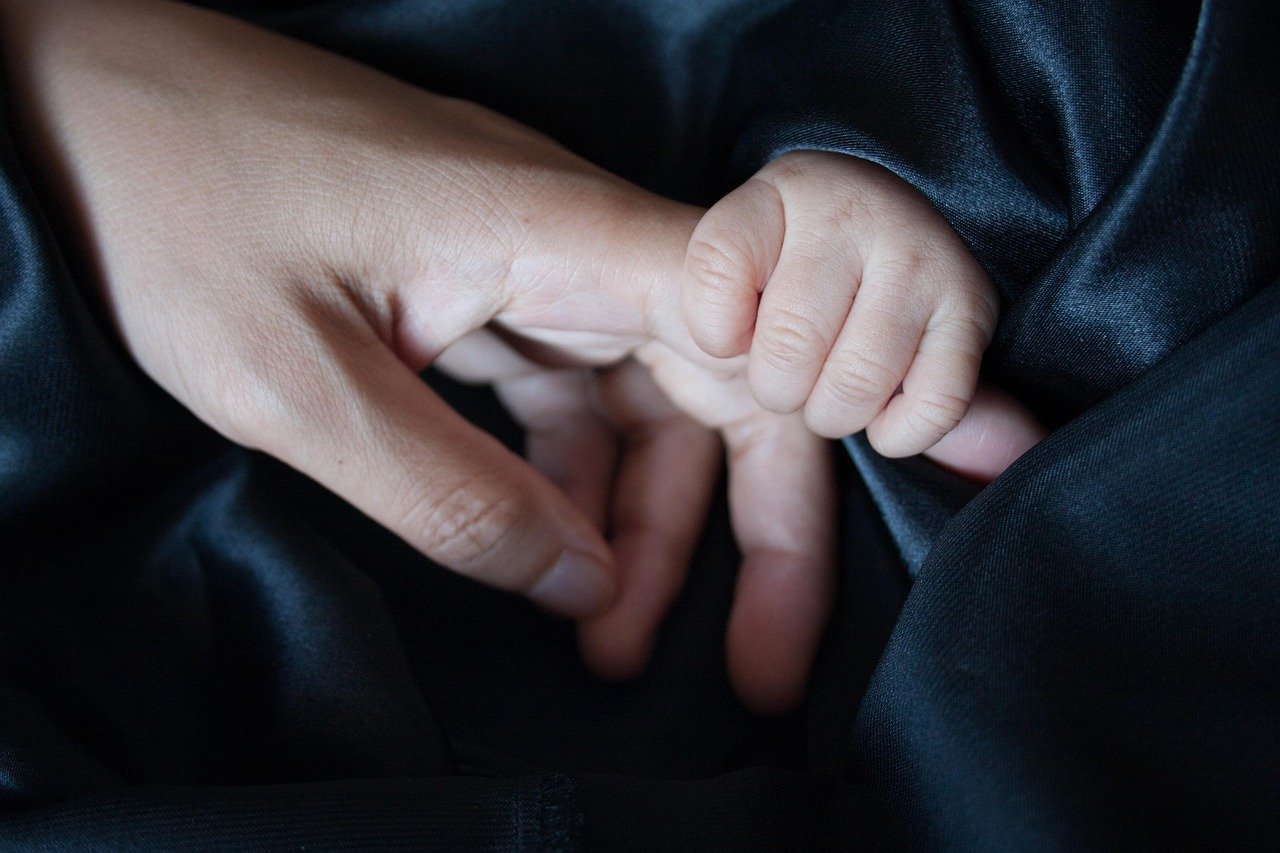
I remember feeling such a profound mix of emotions after my own grandmother passed-sadness, certainly, but also relief that her suffering had ended, and a lingering guilt about things I wished I'd said. Writing a letter helped me untangle those complex feelings. It wasn't about changing the past, but about acknowledging it, honoring it, and ultimately, integrating it into my present. This type of grief writing is a vital tool for emotional healing, giving form to amorphous feelings, especially when composing a goodbye letter to a deceased mother.
- To Express Unspoken Words: Whether it's "I love you," "I'm sorry," or "Thank you," a heart-rending goodbye letter to a deceased mother provides an opportunity to say what went unsaid.
- To Process Complex Emotions: Grief often involves a tangle of feelings-anger, regret, sadness, love. Writing helps to sort through them.
- To Honor Her Legacy: Detail the specific ways your mother impacted your life, recounting cherished memories and lessons learned.
- To Find a Sense of Closure: While honoring their legacy looks different for everyone. closure is often elusive, the act of writing a goodbye letter to a deceased mother can bring a sense of completion to certain emotional narratives.
- To Maintain Connection: Some find comfort in continuing a dialogue with their loved one, seeing the letter as a way of keeping the bond alive and preserving these memories.
What to Include in Your Goodbye Letter to Your Deceased Mother
There's no right or wrong way to write this letter; it's your unique tribute. However, I've found a few common themes tend to emerge when people grapple with these deeply personal messages. Reflect on what feels most authentic to your relationship and your current feelings. You might find it helpful to think about specific moments or experiences that shaped your bond with her to enrich your goodbye letter to a deceased mother.
Many find that the act of writing is a crucial step towards healing after mother's passing, transforming unspoken emotions into a coherent narrative of love and remembrance.
Acknowledging the Loss and Your Feelings
Start by simply acknowledging her passing and the raw emotions you're experiencing. It's okay to be honest about the pain, the emptiness, or even the confusion. I recall feeling a profound sense of disorientation, as if a compass had been removed from my world. Laying these vulnerable feelings bare on the page is therapeutic. This honesty sets the stage for genuine self-compassion and allows for more authentic communication, even if it's one-sided, within a goodbye letter to a deceased mother.
Reflecting on Cherished Memories
These are the anchors, aren
This therapeutic practice extends beyond parental loss, offering a similar pathway for healing when writing a letter to a deceased parent or any other cherished family member.
Ultimately, this deeply personal act is one of many ways we craft tailored farewells for every bond, acknowledging the unique impact each person has on our lives.
This deeply personal form of expression highlights the profound impact of therapeutic writing for grief, allowing individuals to process complex emotions in their own time and space.
The profound act of writing a goodbye letter serves as a powerful conduit for expressing unsaid words to a lost mother, offering a unique path to peace and closure.
For a broader understanding of how these personal farewells adapt to various relationships, explore our guide on Goodbye Letters by Relationship: Tailored Farewells for Every Bond.
Ultimately, the power of expressing one's heart on paper provides a significant avenue for grief healing through writing, fostering a sense of peace and continuity.
The profound act of composing a personal farewell can be an integral part of coping with mother's death letter, providing a unique space for reflection and remembrance that transcends the physical.